Pablo Records
Pablo Records, fondazione 1972: artisti e album jazz dell'etichetta.
La Pablo Records è un'etichetta discografica statunitense fondata da Norman Granz nel 1973.
Leggi la voce completa su Wikipedia ↗ · Da Wikipedia, l'enciclopedia libera (CC BY-SA 4.0)
Artisti di Pablo Records
 Oscar Peterson
1925–2007 · pianista canadese (1925-2007)
 Dizzy Gillespie
1917–1993 · trombettista, pianista e compositore statunitense
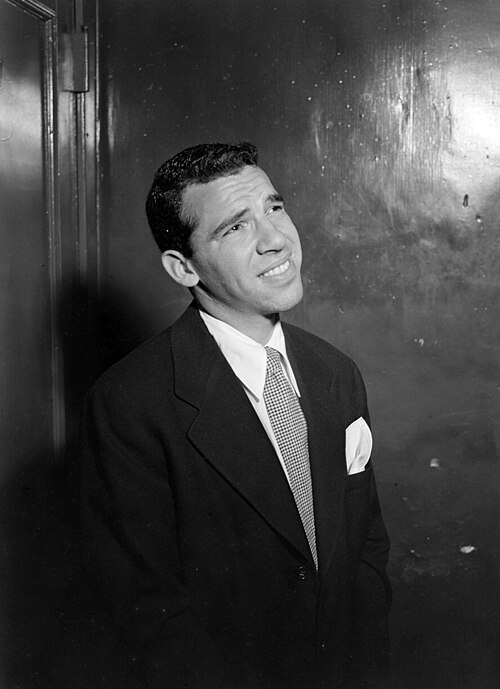 Buddy Rich
1917–1987 · batterista statunitense
 Joe Pass
1929–1994 · chitarrista statunitense
 Zoot Sims
1925–1985 · sassofonista statunitense
 Louie Bellson
1924–2009 · batterista statunitense
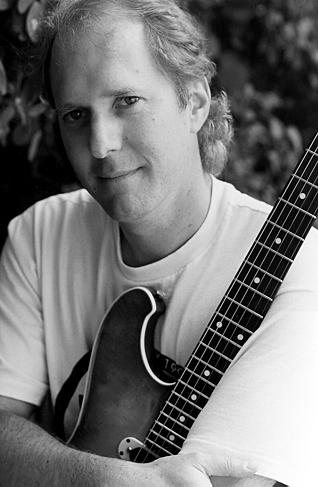 Lorne Lofsky
n. 1954 · Canadian musician
Profilo dell'etichetta
US label, established by jazz impresario Norman Granz in late 1973 and named after Granz' close friend, Pablo Picasso. The logo is actually an excerpt from a Picasso artwork.
In December 1973, Granz signed a global distribution pact with , excluding domestic distribution. North American distribution was handled by 9 independent distributors .
By June 1974, Polydor had already released four albums under their global distribution pact prior to the first US domestic release. The first release was around the end of April.
On June 17, 1974 Pablo released it's first albums in the US, among which were: , , , and .
In March 1975, RCA Records acquired the distribution and manufacturing rights to the label.
In April 1975, Pablo released its first five albums under the RCA distribution pact.
In September 1976, the label began releasing product on cassette tape. By December 1976, the entire catalog was available on cassette. Prior to this, product was only available on LP initially and then 8-track was added sometime after, but before cassettes.
Pablo was sold to Fantasy in January 1987. ** Actually appears as "Pablo" only.
Label Code: LC 3254 / LC 03254.
For the company, see Pablo Reco
Profilo da Discogs (CC0, in inglese)
Album su Pablo Records
Latest posts
- Evaluating Jazz Syncopation Sources and Rhythmic Analysis
- Instruments of Bossa Nova Essential Tools for the Sound
- Why Is Improv Important in Jazz and How It Defines the Genre
- How to Memorize Jazz Standards Efficiently
- What Is the Most Well-Known Jazz Standard and Why It Wins
- What Does the ø Symbol Mean in Jazz Theory
- Examples of Bebop Jazz and Essential Listening Tracks
- What Is a Basic Drumming Pattern Called and How It Works
- How to Ear Train Effectively for Better Musicianship
- How to Notate a Tritone Substitution in Jazz Charts