- Geboren
- 4. April 1956
Oyster Bay - Plattenlabels
- Criss Cross Jazz
- Diskografie
- 12 Alben
Biografie
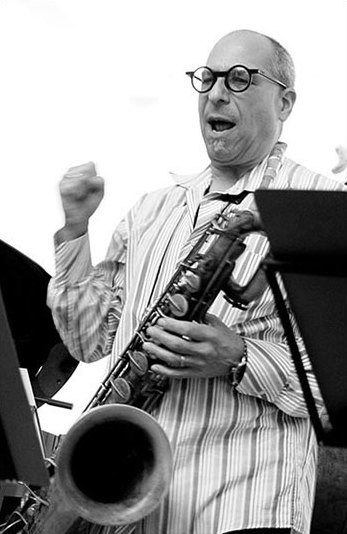
Gary Smulyan ist ein Jazzmusiker (Saxophon). Gary Smulyan wurde am 4. April 1956 in Oyster Bay geboren. Stilistisch wird die Musik meist Jazz zugeordnet. Plattenlabels: Criss Cross Jazz. Die Diskografie umfasst hier 12 Alben, von „Homage“ (1992) bis „Live at Cory Weeds’ Cellar Jazz Club“ (2021).
Gary Smulyan (* 4. April 1956 in Bethpage, New York) ist ein US-amerikanischer Baritonsaxophonist des Modern Jazz.
Den vollständigen Artikel auf Wikipedia lesen ↗ · Aus Wikipedia, der freien Enzyklopädie (CC BY-SA 4.0)
Diskografie
Studio- und Livealben
Spielt außerdem auf
Alben, auf denen Gary Smulyan als Sideman mitwirkt
| 1979 | Woody and Friends: Monterey Jazz Festival 1979 — Woody Herman |
| 1989 | 'Bout Time — Mike Ledonne Quintet |
| 1994 | One More Once — Michel Camilo |
| 1994 | Push — Bill Evans |
| 1995 | MMTC: Monk, Miles, Trane & Cannon — Freddie Hubbard |
| 1996 | Big Band — Joe Henderson |
| 1996 | Labyrinth — Tom Harrell |
| 2000 | 52nd Street Themes — Joe Lovano |
| 2006 | Streams of Expression — Joe Lovano |
| 2014 | We Won’t Forget You... An Homage to Shirley Horn — Dena DeRose |
Häufige Fragen
Welches Instrument spielt Gary Smulyan?
Gary Smulyan ist bekannt für Saxophon.
Wann und wo wurde Gary Smulyan geboren?
Gary Smulyan wurde 4. April 1956 in Oyster Bay geboren.
Was sind die bekanntesten Alben von Gary Smulyan?
In unserer Datenbank finden sich unter anderem Homage (1992), Saxophone Mosaic (1995), With Strings (1997), L'Amico Immaginario (1998) und The Real Deal (2003).
Weblinks
- en.wikipedia.org ↗
- de.wikipedia.org ↗
- wikidata.org ↗
- musicbrainz.org ↗
- discogs.com ↗
- allmusic.com ↗
- garysmulyan.com ↗
Daten aus offenen Quellen zusammengestellt; siehe Quellenangaben unten. Fehler entdeckt? Schreiben Sie uns.