Clef Records
Clef Records, gegründet 1946: Jazzkünstler und Alben des Labels.
Clef Records war ein US-amerikanisches Jazz-Plattenlabel, das 1946 von Norman Granz gegründet wurde und bis 1956 bestand.
Den vollständigen Artikel auf Wikipedia lesen ↗ · Aus Wikipedia, der freien Enzyklopädie (CC BY-SA 4.0)
Künstler bei Clef Records
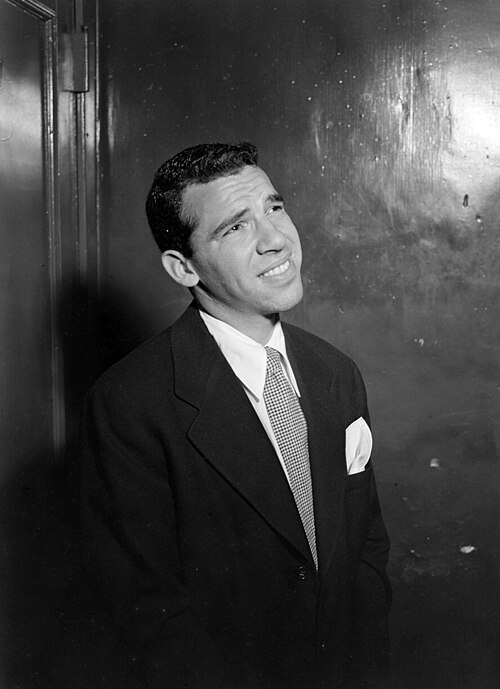
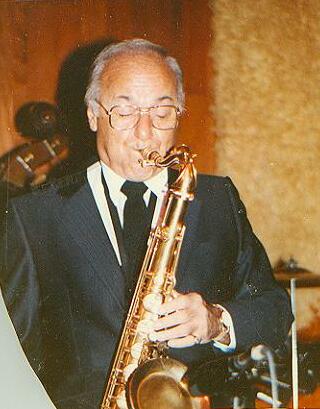

Labelprofil
An American jazz record label based in Los Angeles, California, founded in June 1947 by impresario/producer Norman Granz, initially as an imprint of Mercury Records, then as an independent record label in 1953.
The label was intended to serve as an outlet for the release of recordings of concerts from Jazz At The Philharmonic (JATP). For Clef, Granz recorded: Stan Getz, Ben Webster, Roy Eldridge, Charlie Parker, Count Basie, Buddy Rich, Teddy Wilson, Buddy DeFranco, Dizzy Gillespie, Art Tatum, Lester Young, Gene Krupa, Woody Herman, and Lionel Hampton.
Granz was previously under contract to Moses Asch's Asch Records then Disc Records, until March 31, 1947, then began seeking return of the original JATP masters, which he did not receive until August 1952. Granz began releasing new recordings on Clef via Mercury, and retained his Clef masters. Clef's licensing agreement with Mercury ended in 1953, at which point it became independent. In 1954, Granz founded Norgran Records to ease distribution bottlenecks at Clef. In 1956, Granz founded the Verve Records label which absorbed Clef, Norgran and Down Home Records. Verve re-releases and licensed releases of Clef recordings would be ta
Profil von Discogs (CC0, englisch)
Alben bei Clef Records
Latest posts
- How to Create Jazz Music A Practical Approach to Crafting
- How to Choose Jazz Scales with Practical Examples
- What Is a Jazz Lead Sheet and How Do Musicians Use It
- Evaluating Jazz Syncopation Sources and Rhythmic Analysis
- Instruments of Bossa Nova Essential Tools for the Sound
- Why Is Improv Important in Jazz and How It Defines the Genre
- How to Memorize Jazz Standards Efficiently
- What Is the Most Well-Known Jazz Standard and Why It Wins
- What Does the ø Symbol Mean in Jazz Theory
- Examples of Bebop Jazz and Essential Listening Tracks