GRP Records ist ein amerikanisches Musiklabel für Fusion, Latin- und zeitgenössischen Jazz. Grusin/Rosen Productions (GRP) wurde 1976, noch als Musikproduktionsfirma, von dem Pianisten Dave Grusin und dem Tonmeister und Schlagzeuger Larry Rosen gegründet. 1978 gingen Grusin und Rosen eine Kooperation mit Arista Records ein und begannen unter den Labeln GRP und Arista/GRP Platten herauszubringen. Mit Dave Grusins Platte Mountain Dance von 1980 brachte GRP das erste (nicht-klassische) digital aufgenommene Album heraus. 1980 landete GRP mit Funkin’ for Jamaica, einem Song von der Tom-Browne-Platte Love Approach, einen großen Hit. Ein weiterer Erfolg stellte sich mit der Sängerin Angela Bofill ein. 1982 trennte sich das Label von Arista. Zur selben Zeit veröffentlichte es als erstes Plattenlabel in den Vereinigten Staaten alle Aufnahmen auf Compact Disc (CD).
Den vollständigen Artikel auf Wikipedia lesen ↗ · Aus Wikipedia, der freien Enzyklopädie (CC BY-SA 4.0)
Künstler bei GRP Records
 Dr. John
1941–2019 · amerikanischer Musiker aus New Orleans (1941-2019)
 Dave Grusin
* 1934 · US-amerikanischer Filmkomponist und Jazzmusiker
 Arturo Sandoval
* 1949 · US-amerikanischer Trompeter
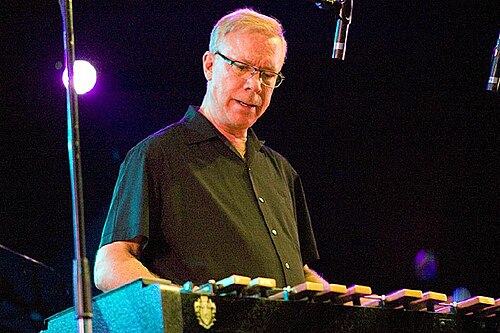 Gary Burton
* 1943 · US-amerikanischer Jazz-Vibraphonist
 Billy Cobham
* 1944 · panamaischer Jazz-Schlagzeuger und Komponist (geboren 1944)
 Larry Carlton
* 1948 · US-amerikanischer Gitarrist und Produzent
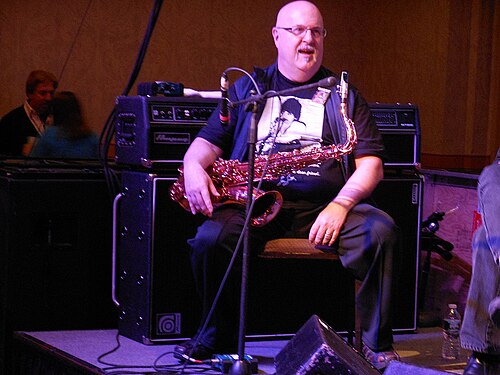 Tom Scott
* 1948 · US-amerikanischer Komponist, Arrangeur, Produzent…
 John Patitucci
* 1959 · US-amerikanischer Jazz-Bassist
 David Benoit
* 1953 · US-amerikanischer Jazzpianist
 Diane Schuur
* 1953 · US-amerikanische Jazzsängerin und Jazz-Pianistin
 Brian Culbertson
* 1973 · US-amerikanischer Jazz-/R&B- und Funkmusiker
 Spyro Gyra
1974– · amerikanische Band
 Dave Weckl
* 1960 · US-amerikanischer Schlagzeuger
 Richard Elliot
* 1960 · schottischer Saxophonspieler
 The Rippingtons
US-amerikanische Band
 Omar Hakim
* 1959 · US-amerikanischer Schlagzeuger
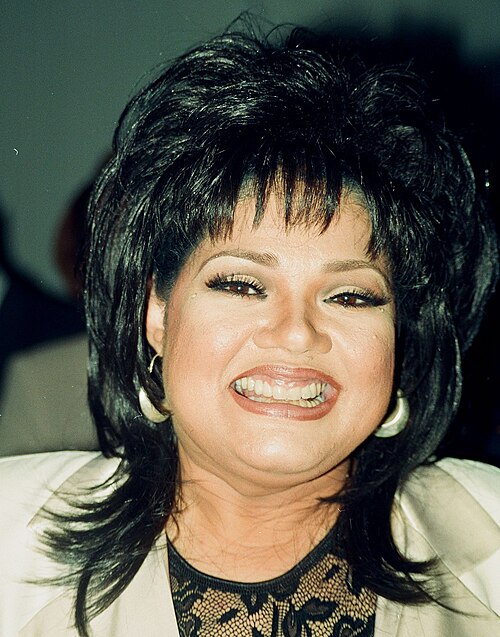 Angela Bofill
1954–2024 · US-amerikanische R&B- und Jazz-Sängerin
 Eric Marienthal
* 1957 · US-amerikanischer Jazzmusiker
 Bernie Williams
* 1968 · puerto-ricanischer Baseballspieler
Tom Browne
* 1954 · US-amerikanischer Jazztrompeter
Marc Antoine
* 1963 · französischer Smooth-Jazz-Gitarrist
 Russ Freeman
* 1960 · American jazz guitarist; founder and leader of The…
George Howard
1956–1998 · American jazz saxophonist (1956–1988)
Labelprofil
US label launched by Dave Grusin and Larry Rosen as the successor to Arista GRP when their partnership with ended circa November 1982.
Label Code: LC 6713 / LC 06713.
The label's acts included Dave Valentin and jazz-funk trumpeter Tom Browne.
In February 1990, the label's parent company, GRP Records Inc. was sold to MCA and GRP became an MCA label although it had been distributed in the US by MCA from March 1987 onwards.
GRP became known early on for digital recordings and for being one of the first US labels to release its albums on CD, becoming known as .
GRP initially meant Grusin-Rosen Productions. After Grusin and Rosen left the company in 1995, the letters became shorthand for the marketing slogan Great Records Period.
GRP is currently part of the The Verve Music Group and is mostly used for reissues.
Profil von Discogs (CC0, englisch)
Alben bei GRP Records
Latest posts
- Evaluating Jazz Syncopation Sources and Rhythmic Analysis
- Instruments of Bossa Nova Essential Tools for the Sound
- Why Is Improv Important in Jazz and How It Defines the Genre
- How to Memorize Jazz Standards Efficiently
- What Is the Most Well-Known Jazz Standard and Why It Wins
- What Does the ø Symbol Mean in Jazz Theory
- Examples of Bebop Jazz and Essential Listening Tracks
- What Is a Basic Drumming Pattern Called and How It Works
- How to Ear Train Effectively for Better Musicianship
- How to Notate a Tritone Substitution in Jazz Charts