Ropeadope Records ist ein unabhängiges US-amerikanisches Musiklabel mit Sitz in Haddon Heights im Camden County (New Jersey). Schwerpunkte sind Jazz und Hip-Hop. Ropeadope wurde 1999 von Andy Hurwitz in Philadelphia gegründet. Erste Veröffentlichung war Down and Dirty, eine DVD mit der Dirty Dozen Brass Band. In den folgenden Jahren erschienen auf dem Label Aufnahmen von Yazz Ahmed, Lakecia Benjamin, Tim Collins, Caleb Curtis, Chet Doxas, Duncan Eagles, Brad Farberman, Shaun Martin, Sam Ospovat, Eddie Palmieri (Sabiduría), Zeena Parkins, Aaron Parks, David Sánchez (Carib), Christian Scott (Ancestral Recall und Axiom, 2020), Sex Mob, Nate Smith, Tin Hat, David Weiss, Ellen Andrea Wang (Closeness, 2020) und Jorge Luis Pacheco. Mehrere Künstler, die bei Ropeadope Records veröffentlichen, wurden für die jährlichen Grammy Awards nominiert und mit Preisen ausgezeichnet, wie Snarky Puppy featuring Lalah Hatahway 2013.
Den vollständigen Artikel auf Wikipedia lesen ↗ · Aus Wikipedia, der freien Enzyklopädie (CC BY-SA 4.0)
Künstler bei Ropeadope Records
 Eddie Palmieri
1936–2025 · US-amerikanischer Musiker
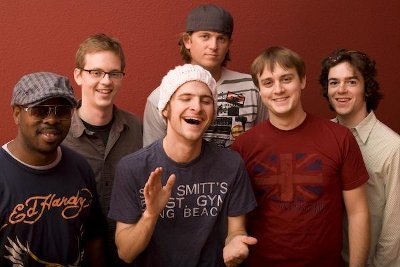 Snarky Puppy
2004– · US-amerikanisches Musiker-Kollektiv des Jazzrocks
 Terrace Martin
* 1978 · amerikanischer Rapper, Jazzmusiker und Produzent
 Christian Scott
* 1983 · US-amerikanischer Jazz-Trompeter, -Komponist und -Bandleader
 Aaron Parks
* 1983 · US-amerikanischer Jazzmusiker
 Lakecia Benjamin
* 1986 · US-amerikanische Jazzmusikerin (Altsaxophon)
Labelprofil
US independent record label, founded by Andy Blackman Hurwitz in 1999.
Please check covers and media labels for the correct assignment:
- Used this name and imaged logo on covers/media labels until 2003-4, usually in combination with copyright entries of Ropeadope Music Entertainment LLC.
- Then followed by Ropeadope and its logo.
Profil von Discogs (CC0, englisch)
Alben bei Ropeadope Records
Latest posts
- How to Improve Saxophone Skills Through Targeted Practice
- The 80/20 Rule in Piano Practice for Faster Results
- How to Create Jazz Music A Practical Approach to Crafting
- How to Choose Jazz Scales with Practical Examples
- What Is a Jazz Lead Sheet and How Do Musicians Use It
- Evaluating Jazz Syncopation Sources and Rhythmic Analysis
- Instruments of Bossa Nova Essential Tools for the Sound
- Why Is Improv Important in Jazz and How It Defines the Genre
- How to Memorize Jazz Standards Efficiently
- What Is the Most Well-Known Jazz Standard and Why It Wins