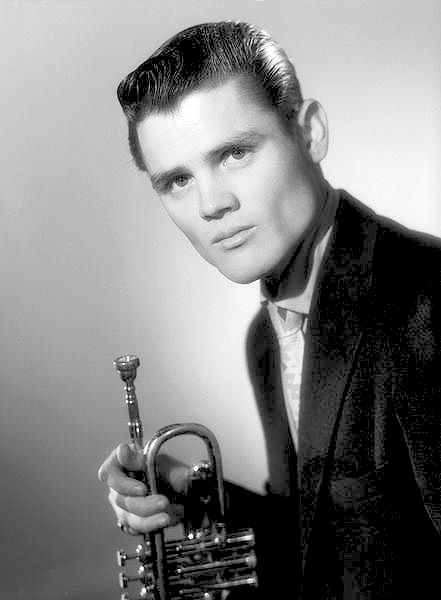
Trumpet-Solo · 1975
Chet Baker: You'd Be So Nice to Come Home to
- Tonart
- g-Moll
- Tempo
- 225 BPM UP
- Rhythmusgefühl
- Swing
- Stil
- Cool
- Chorusse
- 4
- Form
- A16B16
Chet Bakers Solo über „You'd Be So Nice to Come Home to“ umfasst 311 Töne in 69 Sekunden (4.5 Töne pro Sekunde) und einen Tonumfang von 28 Halbtönen (F3 bis A5). Das Durchschnittstempo liegt bei 225 BPM (swing). Rund 58 % der Melodiebewegung verläuft schrittweise (ein bis zwei Halbtöne).
Töne
311Töne
69sSololänge
4.5Töne pro Sekunde
F3–A5Tonumfang (28 Halbtöne)
58%Schrittweise Bewegung
Verteilung der Tonklassen
C
C♯
D
E♭
E
F
F♯
G
A♭
A
B♭
B
Häufigste Intervalle
- -2 ×54
- -1 ×47
- +2 ×44
- +3 ×40
- +1 ×34
- -3 ×24
Gespielte Changes
A1
Platte
- Platte
- Jim Hall, Concierto · Sony Music Entertainment Ltd.. · 2001
- Aufgenommen
- 1975-04-23
- Besetzung
- Chet Baker (tp); Jim Hall (g); Paul Desmond (as); Roland Hanna (p); Ron Carter (b); Steve Gadd (dr)
- Komponist
- Cole Porter
- Sololänge
- 02:56-04:04
Quelle: Weimar Jazz Database, Jazzomat Research Project (HfM Weimar), ODbL 1.0.