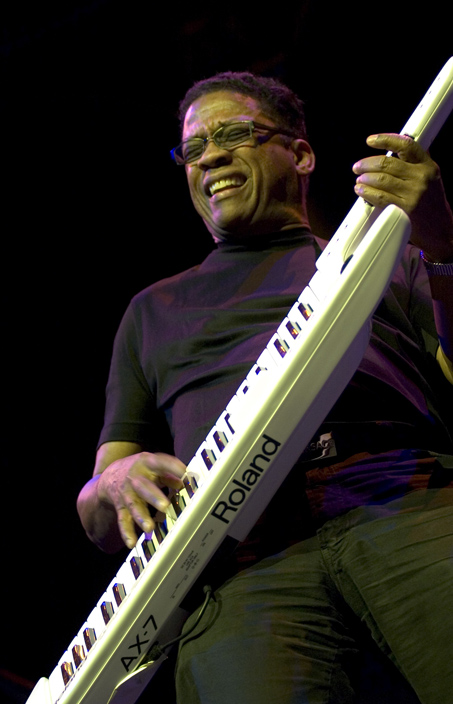
assolo di Piano · 1966

Herbie Hancock: Dolores

Tonalità
Tempo
282 BPM UP
Feel ritmico
Swing
Stile
Postbop
Chorus
1
Forma
A8B6A8

L'assolo di Herbie Hancock su «Dolores» conta 613 note in 100 secondi (6.2 note al secondo) e un'estensione di 28 semitoni, da C#3 a F5. Il tempo medio è di 282 BPM (swing). Circa il 65% del movimento melodico è per grado congiunto (uno o due semitoni).

Note

613Note
100sDurata dell'assolo
6.2Note al secondo
C#3–F5Estensione (28 semitoni)
65%Moto congiunto

Distribuzione delle classi di altezza

Intervalli più frequenti

  • -1 ×170
  • +1 ×10³
  • -2 ×77
  • +2 ×48
  • -3 ×40
  • +3 ×34

Giro armonico

A1
N.C.
N.C.
N.C.
N.C.
N.C.
N.C.
N.C.
N.C.
N.C.
N.C.
N.C.
N.C.
N.C.
N.C.
N.C.
N.C.
N.C.
N.C.
N.C.
N.C.
N.C.
N.C.
N.C.
N.C.
N.C.
N.C.
N.C.
N.C.
N.C.
N.C.
N.C.
N.C.
N.C.
N.C.
N.C.
N.C.
N.C.
N.C.
N.C.
N.C.
N.C.
N.C.
N.C.
N.C.
N.C.
N.C.
N.C.
N.C.
N.C.
N.C.
N.C.
N.C.
N.C.
N.C.
N.C.
N.C.
N.C.
N.C.
N.C.
N.C.
N.C.
N.C.
N.C.
N.C.
N.C.
N.C.
N.C.
N.C.
N.C.
N.C.
N.C.
N.C.
N.C.
N.C.
N.C.
N.C.
N.C.
N.C.
N.C.
N.C.
N.C.
N.C.
N.C.
N.C.
N.C.
N.C.
N.C.
N.C.
N.C.
N.C.
N.C.
N.C.
N.C.
N.C.
N.C.
N.C.
N.C.
N.C.
N.C.
N.C.
N.C.
N.C.
N.C.
N.C.
N.C.
N.C.
N.C.
N.C.
N.C.
N.C.
N.C.
N.C.
N.C.
N.C.
N.C.
N.C.
N.C.
N.C.
I1
Dm

Disco

Disco
Miles Smiles · Columbia · 1967
Registrato
24-25.10.1966
Formazione
Miles Davis (tp); Wayne Shorter (ts); Herbie Hancock (p); Ron Carter (b); Tony Williams (dr)
Compositore
Shorter

Fonte: Weimar Jazz Database, Jazzomat Research Project (HfM Weimar), ODbL 1.0.

Latest posts

  1. Evaluating Jazz Syncopation Sources and Rhythmic Analysis
  2. Instruments of Bossa Nova Essential Tools for the Sound
  3. Why Is Improv Important in Jazz and How It Defines the Genre
  4. How to Memorize Jazz Standards Efficiently
  5. What Is the Most Well-Known Jazz Standard and Why It Wins
  6. What Does the ø Symbol Mean in Jazz Theory
  7. Examples of Bebop Jazz and Essential Listening Tracks
  8. What Is a Basic Drumming Pattern Called and How It Works
  9. How to Ear Train Effectively for Better Musicianship
  10. How to Notate a Tritone Substitution in Jazz Charts