La Parlophone è una casa discografica fondata in Germania nel 1896 come Parlophon da Carl Lindström (1869–1932), un inventore svedese che viveva a Berlino dove aveva fondato la Carl Lindström Company che produceva fonografi e grammofoni; la denominazione verrà cambiata solo nel 1927, dopo l'acquisto da parte della Columbia. In Italia invece, non confluendo l'etichetta nella VCM, ma rimanendo autonoma, la denominazione resterà comunque Parlophon.
Leggi la voce completa su Wikipedia ↗ · Da Wikipedia, l'enciclopedia libera (CC BY-SA 4.0)
Artisti di Parlophone
 John Dankworth
1927–2010 · sassofonista, musicista e compositore britannico
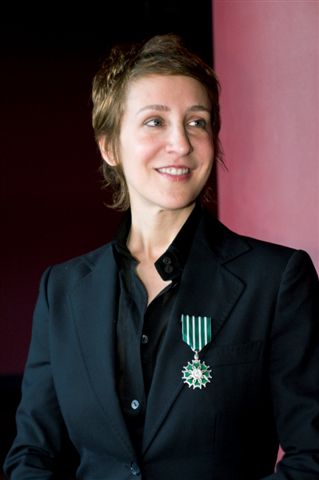 Stacey Kent
n. 1968 · American recording artist; singer
John Scott
n. 1930 · compositore e direttore d'orchestra britannico
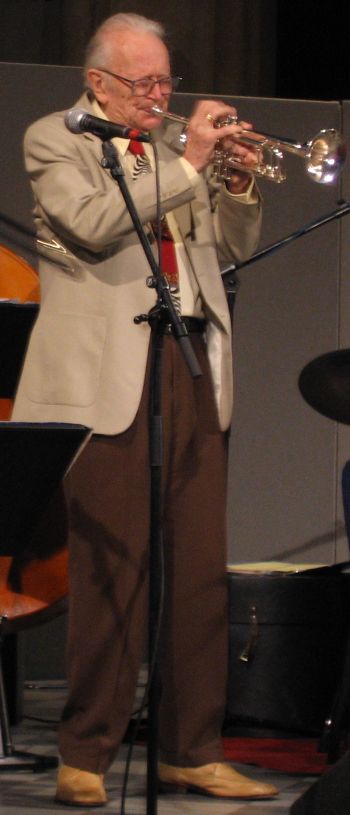 Humphrey Lyttelton
1921–2008 · English jazz trumpeter (1921–2008)
 Trio Lescano
1936– · gruppo musicale italiano
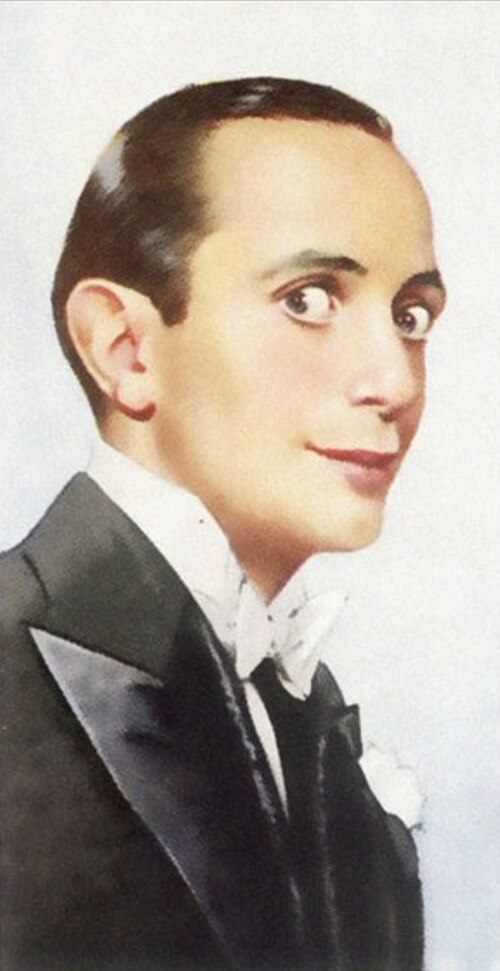 Harry Roy
1900–1971 · British dance band leader and clarinet player (1900-1971)
Harlan Lattimore
1908–1980 · cantante statunitense
Profilo dell'etichetta
Multinational label.
Label Code: LC 0299 / LC 00299
Please note, many Parlophone issues also carry an EMI logo. This is not a label and EMI should not be added as a label, it instead indicates that Parlophone was part of the EMI Group.
Parlophone is an anglicization of the German Parlophon label, registered as a trademark for talking machines in 1902 by Max Straus and Heinrich Zuntz of Salon Kinematograph Co. GmbH, later merged into Carl Lindström A.-G.. The first Parlophon records are pressed in 1910.
By 1923, Parlophone proper appears in London administered by English Lindström branch known as , pressed in London and sold domestically. This marks the return of the German conglomerate to the British market since 1915, when their Hertford record plant had been seized and soon acquired by , who leased it to Lindström to make Parlophone records. Early on, its catalogue greatly relied on imported recordings originally made for Lindström's own imprints Beka, Parlophon, Odeon (including Argentine tango recordings) and their American partner Okeh alongside a slowly growing repertoire of new British recordings and a small number of pre-war recordings. After World War II, Parlophone iss
Profilo da Discogs (CC0, in inglese)
Album su Parlophone
Latest posts
- Evaluating Jazz Syncopation Sources and Rhythmic Analysis
- Instruments of Bossa Nova Essential Tools for the Sound
- Why Is Improv Important in Jazz and How It Defines the Genre
- How to Memorize Jazz Standards Efficiently
- What Is the Most Well-Known Jazz Standard and Why It Wins
- What Does the ø Symbol Mean in Jazz Theory
- Examples of Bebop Jazz and Essential Listening Tracks
- What Is a Basic Drumming Pattern Called and How It Works
- How to Ear Train Effectively for Better Musicianship
- How to Notate a Tritone Substitution in Jazz Charts