
- Nascita
- 6 marzo 1926
New York - Morte
- 22 giugno 2026
Washington D.C. - Paese
- Stati Uniti
Biografia
Alan Greenspan è stato un musicista jazz (clarinetto). Nato il 6 marzo 1926 a New York, morto il 22 giugno 2026 a Washington D.C.. Tra i riconoscimenti: Fellow of the American Statistical Association (1989), Francis Boyer Award (1996) e Financial Times Person of the Year (1998).
Alan Greenspan (New York, 6 marzo 1926 – Washington, 22 giugno 2026) è stato un economista statunitense. Ha ricoperto la carica di Presidente della Federal Reserve, la banca centrale degli Stati Uniti d'America, dal 1987 al 2006. Nominato al vertice della Federal Reserve dal presidente Ronald Reagan nell'agosto 1987, è stato riconfermato sino al 31 gennaio 2006, giorno del suo pensionamento. In seguito ha lavorato come consulente privato tramite la sua azienda, la Greenspan Associates LLC.
Leggi la voce completa su Wikipedia ↗ · Da Wikipedia, l'enciclopedia libera (CC BY-SA 4.0)
Premi
- 1989 Fellow of the American Statistical Association
- 1996 Francis Boyer Award
- 1998 Financial Times Person of the Year
- 2002 Honorary Knight Commander of the Order of the British Empire
- 2005 medaglia presidenziale della libertà
- 2019 Paul A. Volcker Lifetime Achievement Award for Economic Policy
- Commendatore della Legion d'Onore
- honorary doctor of the Hofstra University
- honorary doctor of the Katholieke Universiteit Leuven
Libri su Alan Greenspan
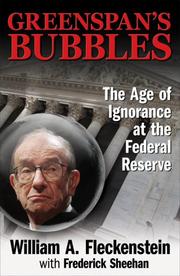
Domande frequenti
Che strumento suonava Alan Greenspan?
Alan Greenspan è noto per clarinetto.
Quando e dove è nato Alan Greenspan?
Alan Greenspan è nato 6 marzo 1926 a New York.
Collegamenti esterni
Dati raccolti da fonti aperte; vedi i riferimenti qui sotto. Hai trovato un errore? Scrivici.