
Cantanti · 1899–1987
Fred Astaire
Ballerino, attore, cantante e coreografo statunitense (1899-1987)
- Nascita
- 10 maggio 1899
Omaha - Morte
- 22 giugno 1987
Los Angeles - Paese
- Stati Uniti
- Attività
- 1904–1981
- Etichette
- MGM Records
- Discografia
- 11 album
Biografia
Fred Astaire è stato un musicista jazz (voce). Nato il 10 maggio 1899 a Omaha, morto il 22 giugno 1987 a Los Angeles. Lo stile è di solito associato a jazz, musica pop e swing. Etichette: MGM Records. La discografia qui comprende 11 album, da «The Astaire Story» (1953) a «Ginger Rogers & Fred Astaire, Volume 1: The Gay Divorcee / Top Hat» (1995). Tra i riconoscimenti: Oscar onorario (1949), Golden Globe per il miglior attore in un film commedia o musicale (1950) e Primetime Emmy Award for Outstanding Lead Actor in a Miniseries or a Movie (1959).
Fred Astaire, nome d'arte di Frederick Austerlitz (Omaha, 10 maggio 1899 – Los Angeles, 22 giugno 1987), è stato un ballerino, attore e coreografo statunitense.
Leggi la voce completa su Wikipedia ↗ · Da Wikipedia, l'enciclopedia libera (CC BY-SA 4.0)
Discografia
Album in studio e dal vivo
Suona anche in
Album in cui Fred Astaire compare come sideman
Premi
- 1949 Oscar onorario
- 1950 Golden Globe per il miglior attore in un film commedia o musicale
- 1959 Primetime Emmy Award for Outstanding Lead Actor in a Miniseries or a Movie
- 1959 Primetime Emmy Award for Outstanding Writing for a Variety Series
- 1960 stella sulla Hollywood Walk of Fame
- 1960 Golden Globe alla carriera
- 1961 Primetime Emmy Award for Individual Performance in a Variety or Music Program
- 1974 Golden Globe per il miglior attore non protagonista
- 1976 BAFTA al miglior attore non protagonista
- 1978 Kennedy Center Honors
- 1981 AFI Life Achievement Award
- 1987 Capezio Dance Award
- 1989 Grammy Award alla carriera
- 1998 Grammy Hall of Fame Award
- David di Donatello alla carriera
Dischi storici a 78 giri
- BENNY GOODMAN Collectors' Gems (1929-1945) Reginald Forsythe · BENNY GOODMAN · Teddy Wilson · Benny Goodman &… archive.org ↗
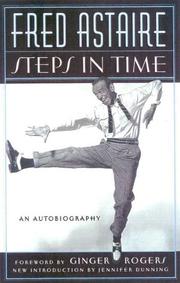
Libri su Fred Astaire
Ascolta su Spotify
Domande frequenti
Che strumento suonava Fred Astaire?
Fred Astaire è noto per voce.
Quando e dove è nato Fred Astaire?
Fred Astaire è nato 10 maggio 1899 a Omaha.
Quali sono gli album più noti di Fred Astaire?
Nel nostro archivio ci sono, tra gli altri, The Astaire Story (1953), Finian's Rainbow (Original Motion Picture Soundtrack) (1968), Santa Claus Is Comin' To Town (1970), Attitude Dancing (1976) e The Astaire Story Vol.2 (1978).
Collegamenti esterni
- en.wikipedia.org ↗
- de.wikipedia.org ↗
- it.wikipedia.org ↗
- wikidata.org ↗
- musicbrainz.org ↗
- discogs.com ↗
- allmusic.com ↗
Dati raccolti da fonti aperte; vedi i riferimenti qui sotto. Hai trovato un errore? Scrivici.