- Nascita
- 30 novembre 1897
Cove - Morte
- 16 dicembre 1954
Rochester - Paese
- Stati Uniti
- Attività
- 1923–
- Etichette
- Columbia Records, Pathé
Biografia
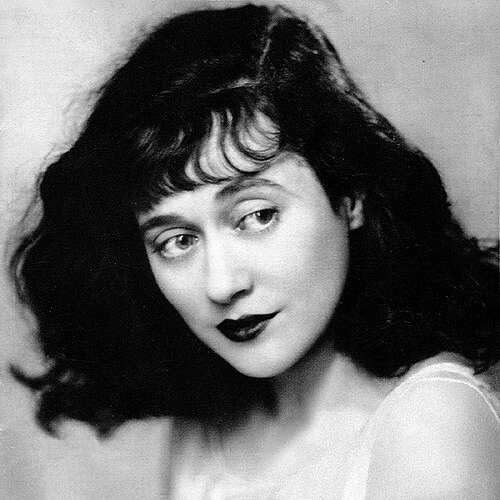
Lee Morse è stata una musicista jazz (chitarra e voce). Nata il 30 novembre 1897 a Cove, morta il 16 dicembre 1954 a Rochester. Lo stile è di solito associato a jazz. Etichette: Columbia Records e Pathé.
Lee Morse, nome d'arte di Lena Corinne Taylor (Portland, 30 novembre 1897 – Rochester, 16 dicembre 1954), è stata un'attrice e cantante statunitense e una delle prime interpreti jazz e blues. È stata anche autrice di popolari canzoni. Star dell'età del jazz (è stata attiva negli anni venti e nei primi anni trenta) è ricordata per il timbro forte e profondo e per l'ampiezza dell'estensione vocale, nonostante il fisico minuto. Il suo pezzo forte era il cosiddetto jodeling.
Leggi la voce completa su Wikipedia ↗ · Da Wikipedia, l'enciclopedia libera (CC BY-SA 4.0)
Dischi storici a 78 giri
- BENNY GOODMAN Collectors' Gems (1929-1945) Rube Bloom & His Bayou Boys · The Modernists · Benny Goodman ·… archive.org ↗
Domande frequenti
Che strumento suonava Lee Morse?
Lee Morse è noto per chitarra e voce.
Quando e dove è nato Lee Morse?
Lee Morse è nato 30 novembre 1897 a Cove.
Collegamenti esterni
- en.wikipedia.org ↗
- de.wikipedia.org ↗
- it.wikipedia.org ↗
- wikidata.org ↗
- musicbrainz.org ↗
- discogs.com ↗
- allmusic.com ↗
- leemorse.com ↗
Dati raccolti da fonti aperte; vedi i riferimenti qui sotto. Hai trovato un errore? Scrivici.