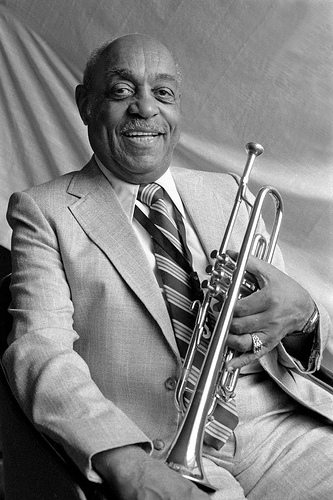
Alto saxophone-Solo · 1952
Benny Carter: Long Ago and Far Away
- Tonart
- F-Dur
- Tempo
- 185 BPM UP
- Rhythmusgefühl
- Swing
- Stil
- Swing
- Chorusse
- 1
- Form
- A8B8A8C8
Benny Carters Solo über „Long Ago and Far Away“ umfasst 231 Töne in 44 Sekunden (5.3 Töne pro Sekunde) und einen Tonumfang von 30 Halbtönen (D3 bis Ab5). Das Durchschnittstempo liegt bei 185 BPM (swing). Rund 48 % der Melodiebewegung verläuft schrittweise (ein bis zwei Halbtöne).
Töne
231Töne
44sSololänge
5.3Töne pro Sekunde
D3–Ab5Tonumfang (30 Halbtöne)
48%Schrittweise Bewegung
Verteilung der Tonklassen
C
C♯
D
E♭
E
F
F♯
G
A♭
A
B♭
B
Häufigste Intervalle
- -2 ×40
- +1 ×34
- +3 ×33
- -3 ×26
- -1 ×23
- +4 ×16
Gespielte Changes
A1
B1
A2
C1
Platte
- Platte
- Battle of Saxes Volume 2 · Membran Music Ltd. · 2004
- Aufgenommen
- 1952-09-18
- Besetzung
- Benny Carter (as); Oscar Peterson (p); Barney Kessel (g); Ray Brown (b); Buddy Rich (dr)
- Komponist
- Kern/Gershwin
- Sololänge
- 00:50-01:34
Quelle: Weimar Jazz Database, Jazzomat Research Project (HfM Weimar), ODbL 1.0.