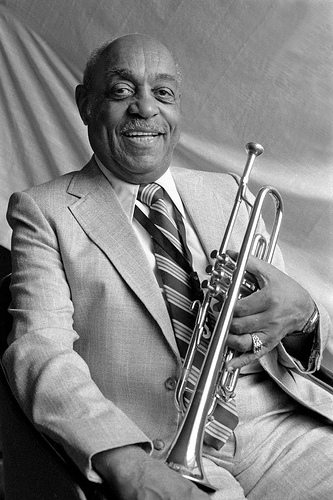
assolo di Alto saxophone · 1952
Benny Carter: Long Ago and Far Away
- Tonalità
- Fa maggiore
- Tempo
- 185 BPM UP
- Feel ritmico
- Swing
- Stile
- Swing
- Chorus
- 1
- Forma
- A8B8A8C8
L'assolo di Benny Carter su «Long Ago and Far Away» conta 231 note in 44 secondi (5.3 note al secondo) e un'estensione di 30 semitoni, da D3 a Ab5. Il tempo medio è di 185 BPM (swing). Circa il 48% del movimento melodico è per grado congiunto (uno o due semitoni).
Note
231Note
44sDurata dell'assolo
5.3Note al secondo
D3–Ab5Estensione (30 semitoni)
48%Moto congiunto
Distribuzione delle classi di altezza
C
C♯
D
E♭
E
F
F♯
G
A♭
A
B♭
B
Intervalli più frequenti
- -2 ×40
- +1 ×34
- +3 ×33
- -3 ×26
- -1 ×23
- +4 ×16
Giro armonico
A1
B1
A2
C1
Disco
- Disco
- Battle of Saxes Volume 2 · Membran Music Ltd. · 2004
- Registrato
- 1952-09-18
- Formazione
- Benny Carter (as); Oscar Peterson (p); Barney Kessel (g); Ray Brown (b); Buddy Rich (dr)
- Compositore
- Kern/Gershwin
- Durata dell'assolo
- 00:50-01:34
Fonte: Weimar Jazz Database, Jazzomat Research Project (HfM Weimar), ODbL 1.0.