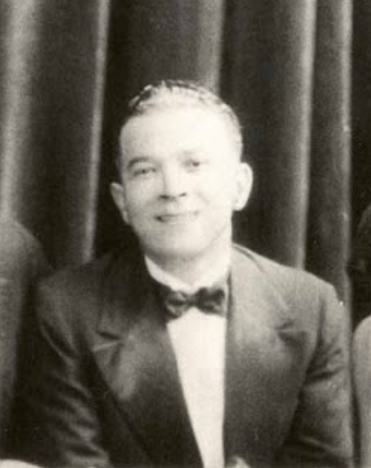
Trombone-Solo · 1926
Kid Ory: Muskrat Ramble
- Tonart
- As-Dur
- Tempo
- 184 BPM UP
- Rhythmusgefühl
- Twobeat
- Stil
- Traditional
- Chorusse
- 1
- Form
- A16
Kid Orys Solo über „Muskrat Ramble“ umfasst 52 Töne in 18 Sekunden (2.9 Töne pro Sekunde) und einen Tonumfang von 17 Halbtönen (Eb3 bis Ab4). Das Durchschnittstempo liegt bei 184 BPM (twobeat). Rund 27 % der Melodiebewegung verläuft schrittweise (ein bis zwei Halbtöne).
Töne
52Töne
18sSololänge
2.9Töne pro Sekunde
Eb3–Ab4Tonumfang (17 Halbtöne)
27%Schrittweise Bewegung
Verteilung der Tonklassen
C
C♯
D
E♭
E
F
F♯
G
A♭
A
B♭
B
Häufigste Intervalle
- -3 ×9
- +1 ×6
- +5 ×6
- -4 ×6
- -5 ×4
- -1 ×4
Gespielte Changes
A1
Platte
- Platte
- College Music Sociecty Sourcebooks in American Music, Louis Armstrong, The Original Hot Five Recordings of Louis Armstrogn · Pendragon Press, New York · 2007
- Aufgenommen
- 1926-06-16
- Besetzung
- Louis Armstrong (cor); Kid Ory (tb); Johnny Dodds (cl); Lillian Hardin Armstrong (p); Johnny St. Cyr (bjo)
- Komponist
- Edward Ory
- Sololänge
- 00:43-01:01
Quelle: Weimar Jazz Database, Jazzomat Research Project (HfM Weimar), ODbL 1.0.