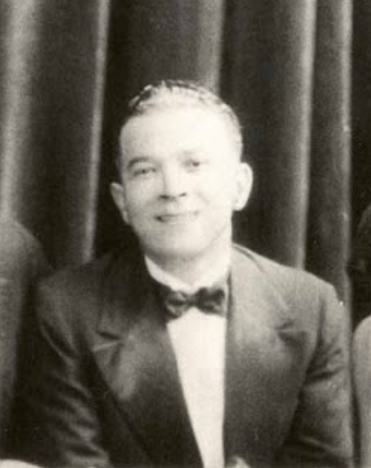
Trombone-Solo · 1926
Kid Ory: Who's it
- Tonart
- C-Dur
- Tempo
- 212 BPM UP
- Rhythmusgefühl
- Twobeat
- Stil
- Traditional
- Chorusse
- 1
- Form
- A32
Kid Orys Solo über „Who's it“ umfasst 85 Töne in 37 Sekunden (2.3 Töne pro Sekunde) und einen Tonumfang von 18 Halbtönen (C3 bis F#4). Das Durchschnittstempo liegt bei 212 BPM (twobeat). Rund 55 % der Melodiebewegung verläuft schrittweise (ein bis zwei Halbtöne).
Töne
85Töne
37sSololänge
2.3Töne pro Sekunde
C3–F#4Tonumfang (18 Halbtöne)
55%Schrittweise Bewegung
Verteilung der Tonklassen
C
C♯
D
E♭
E
F
F♯
G
A♭
A
B♭
B
Häufigste Intervalle
- +1 ×19
- -2 ×14
- +4 ×9
- -4 ×8
- -1 ×7
- +2 ×6
Gespielte Changes
A1
B1
Platte
- Platte
- College Music Sociecty Sourcebooks in American Music, Louis Armstrong, The Original Hot Five Recordings of Louis Armstrogn · Pendragon Press, New York · 2007
- Aufgenommen
- 1926-06-16
- Besetzung
- Louis Armstrong (cor); Kid Ory (tb); Johnny Dodds (cl); Lillian Hardin Armstrong (p); Johnny St. Cyr (bjo)
- Komponist
- Beatrice Jones
- Sololänge
- 00:36-01:12
Quelle: Weimar Jazz Database, Jazzomat Research Project (HfM Weimar), ODbL 1.0.