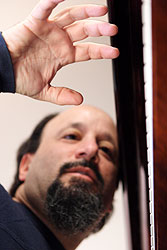
- Born
- 1950s
Seattle - Country
- United States
- Active
- 1982–
- Record labels
- Origin Records, Summit Records
- Discography
- 5 albums
Biography
Bill Anschell is a jazz musician who plays piano. Bill Anschell was born in 1950s in Seattle. The music is usually filed under jazz. Record labels: Origin Records and Summit Records. The discography here lists 5 albums, from “Rhythm Changes” (1995) to “Be My Guest” (2015).
Bill Anschell is a jazz pianist and composer. He has recorded seven CDs as a leader, and performed or recorded with many jazz greats. His original compositions and piano work are prominently featured on Freelon's Grammy Award-nominated recording Shaking Free (Concord Records) and her CBS recordings Heritage and Listen. His own CDs have received extensive national airplay and critical acclaim. His compositions have appeared in many films and television series, including "The West Wing," "The Wire," "Bloodline," and "NCIS: LA."
Read the full article on Wikipedia ↗ · From Wikipedia, the free encyclopedia (CC BY-SA 4.0)
Discography
Studio and live albums
Also plays on
Albums where Bill Anschell is credited as a sideman
| 1996 | Shaking Free — Nnenna Freelon |
Frequently asked questions
What instrument does Bill Anschell play?
Bill Anschell is known for playing piano.
When and where was Bill Anschell born?
Bill Anschell was born 1950s in Seattle.
What are Bill Anschell's best-known albums?
Albums in our database include Rhythm Changes (1995), A Different Note All Together (1998), Modern Jazz (1998), Classics for Kids: Jazz for Toddlers, Volume 2 (2000) and Be My Guest (2015).
External links
- en.wikipedia.org ↗
- de.wikipedia.org ↗
- wikidata.org ↗
- musicbrainz.org ↗
- discogs.com ↗
- allmusic.com ↗
- billanschell.com ↗
Data compiled from open sources; see the source links below. Spotted an error? Let us know.