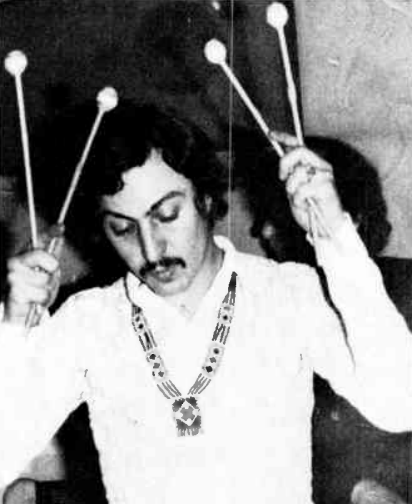
- Born
- 23 March 1938
Detroit - Died
- 3 October 2015
Del Mar - Country
- United States
- Record labels
- Atlantic Records
- Discography
- 15 albums
Biography
Dave Pike was a jazz musician who played vibraphone. Dave Pike was born on 23 March 1938 in Detroit and died on 3 October 2015 in Del Mar. The music is usually filed under jazz. Record labels: Atlantic Records. The discography here lists 15 albums, from “It's Time for Dave Pike” (1961) to “Jazz Aus Studio 2 (Live Koln '71)” (2023).
David Samuel Pike (March 23, 1938 – October 3, 2015) was an American jazz vibraphone and marimba player. He appeared on many albums by Nick Brignola, Paul Bley and Kenny Clarke, Bill Evans, and Herbie Mann. He also recorded extensively as leader, including a number of albums on MPS Records.
Read the full article on Wikipedia ↗ · From Wikipedia, the free encyclopedia (CC BY-SA 4.0)
Discography
Studio and live albums
Also plays on
Albums where Dave Pike is credited as a sideman
| 1963 | Live at Newport — Herbie Mann |
| 1963 | Herbie Mann Returns to the Village Gate — Herbie Mann |
| 1965 | My Kinda Groove — Herbie Mann |
| 1965 | The Roar of the Greasepaint - The Smell of the Crowd — Herbie Mann |
| 1965 | Standing Ovation at Newport — Herbie Mann |
| 1966 | Today! — Herbie Mann |
| 1966 | Our Mann Flute — Herbie Mann |
| 1966 | Monday Night at the Village Gate — Herbie Mann |
| 2005 | Mellow-Dy — Slide Hampton |
Frequently asked questions
What instrument did Dave Pike play?
Dave Pike is known for playing vibraphone.
When and where was Dave Pike born?
Dave Pike was born 23 March 1938 in Detroit.
What are Dave Pike's best-known albums?
Albums in our database include It's Time for Dave Pike (1961), Jazz for the Jet Set (1966), Doors of Perception (1970), Times Out Of Mind (1976) and Let The Minstrels Play On (1980).
External links
Data compiled from open sources; see the source links below. Spotted an error? Let us know.