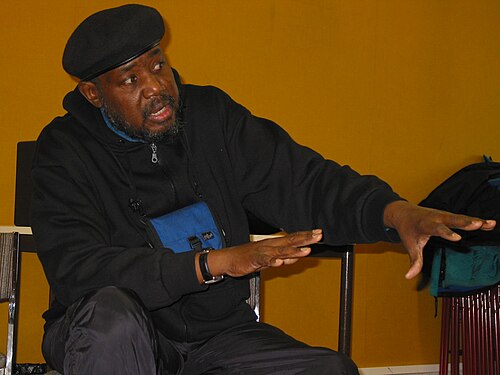
Saxophonists · 1949–2012
David S. Ware
American jazz saxophonist (1949–2012)
- Born
- 7 November 1949
Plainfield - Died
- 18 October 2012
New Brunswick - Country
- United States
- Record labels
- Columbia Records, DIW Records, Silkheart Records
- Discography
- 15 albums
Biography
David S. Ware was a jazz musician who played saxophone and tenor saxophone. David S. Ware was born on 7 November 1949 in Plainfield and died on 18 October 2012 in New Brunswick. The music is usually filed under jazz and avant-garde music. Record labels: Columbia Records, DIW Records and Silkheart Records. The discography here lists 15 albums, from “From Silence to Music” (1978) to “Live in Sant’Anna Arresi, 2004” (2016).
David Spencer Ware (November 7, 1949 – October 18, 2012) was an American jazz saxophonist, composer, and bandleader.
Read the full article on Wikipedia ↗ · From Wikipedia, the free encyclopedia (CC BY-SA 4.0)
Discography
Studio and live albums
Also plays on
Albums where David S. Ware is credited as a sideman
| 1977 | Junction — Andrew Cyrille |
| 1981 | Special People — Andrew Cyrille |
Listen on Spotify
Frequently asked questions
What instrument did David S. Ware play?
David S. Ware is known for playing saxophone and tenor saxophone.
When and where was David S. Ware born?
David S. Ware was born 7 November 1949 in Plainfield.
What are David S. Ware's best-known albums?
Albums in our database include From Silence to Music (1978), Birth of a Being (1979), Flight of i (1992), Third Ear Recitation (1992) and Earthquation (1994).
External links
- en.wikipedia.org ↗
- de.wikipedia.org ↗
- wikidata.org ↗
- musicbrainz.org ↗
- discogs.com ↗
- allmusic.com ↗
- davidsware.com ↗
Data compiled from open sources; see the source links below. Spotted an error? Let us know.