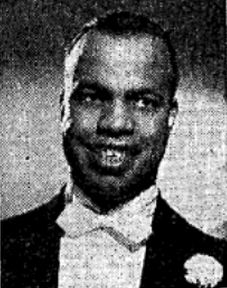
- Born
- 9 February 1913
Syracuse - Died
- 11 July 1961
New York City - Country
- United States
- Record labels
- Decca
Biography
Erskine Butterfield was a jazz musician who played piano. Erskine Butterfield was born on 9 February 1913 in Syracuse and died on 11 July 1961 in New York City. The music is usually filed under jazz. Record labels: Decca.
Erskine Butterfield (February 9, 1913 – July 11, 1961) was an American pianist, singer, bandleader and composer, active in the 1930s to the 1950s, and best known for his boogie-woogie and swing piano style. Butterfield was credited with "helping to invent the style of 'cocktail piano'".
Read the full article on Wikipedia ↗ · From Wikipedia, the free encyclopedia (CC BY-SA 4.0)
Historic 78 rpm records
- ANYTHING ERSKINE BUTTERFIELD QUARTET · Erskine Butterfield · Harold Baker ·… · 1945 archive.org ↗
- If It's Love You Want Erskine Butterfield · Robins · 1946 archive.org ↗
- Is You Too Lazy Erskine Butterfield · Homer · Stoner · 1946 archive.org ↗
- Lighthouse Erskine Butterfield · 1950 archive.org ↗
Frequently asked questions
What instrument did Erskine Butterfield play?
Erskine Butterfield is known for playing piano.
When and where was Erskine Butterfield born?
Erskine Butterfield was born 9 February 1913 in Syracuse.
External links
Data compiled from open sources; see the source links below. Spotted an error? Let us know.