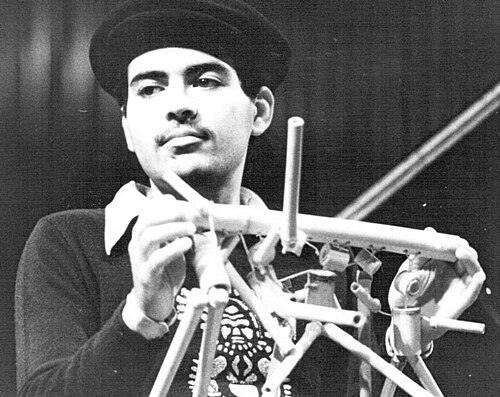
- Born
- 29 May 1952
New York City - Died
- 6 June 2006
New Orleans - Country
- United States
- Active
- 1960–
- Record labels
- Candid Records, Arabesque Records, Futura et Marge
- Discography
- 12 albums
Biography
Hilton Ruiz was a jazz musician who played piano. Hilton Ruiz was born on 29 May 1952 in New York City and died on 6 June 2006 in New Orleans. The music is usually filed under jazz and swing. Record labels: Candid Records, Arabesque Records and Futura et Marge. The discography here lists 12 albums, from “Crosscurrents” (1985) to “A New York Story” (2004).
Hilton Ruiz (May 29, 1952 – June 6, 2006) was an American jazz pianist in the Afro-Cuban jazz mold, but was also a talented bebop player. He was of Puerto Rican descent.
Read the full article on Wikipedia ↗ · From Wikipedia, the free encyclopedia (CC BY-SA 4.0)
Discography
Studio and live albums
Also plays on
Albums where Hilton Ruiz is credited as a sideman
Frequently asked questions
What instrument did Hilton Ruiz play?
Hilton Ruiz is known for playing piano.
When and where was Hilton Ruiz born?
Hilton Ruiz was born 29 May 1952 in New York City.
What are Hilton Ruiz's best-known albums?
Albums in our database include Crosscurrents (1985), Something Grand (1987), Strut (1989), A Moment's Notice (1991) and Piano Man (1991).
External links
- en.wikipedia.org ↗
- de.wikipedia.org ↗
- it.wikipedia.org ↗
- wikidata.org ↗
- musicbrainz.org ↗
- discogs.com ↗
- allmusic.com ↗
Data compiled from open sources; see the source links below. Spotted an error? Let us know.