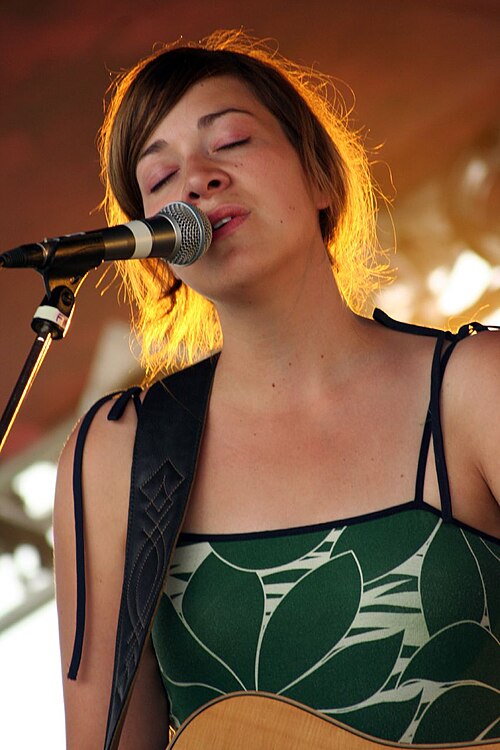
- Born
- 6 February 1980
Port Credit - Country
- Canada
- Active
- 2002–
- Record labels
- Outside Music
- Discography
- 13 albums
Biography
Jill Barber is a jazz musician who plays guitar and voice. Jill Barber was born on 6 February 1980 in Port Credit. The music is usually filed under jazz and folk rock. Record labels: Outside Music. The discography here lists 13 albums, from “A Note to Follow So” (2002) to “A Holly Jolly Jill Barber Christmas” (2025). Honours include Lillian Shepherd Award for Excellence in Illustration (2015).
Jill Barber (born Gillian Grace Barber; February 6, 1980) is a Canadian singer-songwriter. Originally associated with the folk-pop genre, she has performed vocal jazz and pop music on her more recent albums.
Read the full article on Wikipedia ↗ · From Wikipedia, the free encyclopedia (CC BY-SA 4.0)
Discography
Studio and live albums
Awards
- 2015 Lillian Shepherd Award for Excellence in Illustration
Listen on Spotify
Frequently asked questions
What instrument does Jill Barber play?
Jill Barber is known for playing guitar and voice.
When and where was Jill Barber born?
Jill Barber was born 6 February 1980 in Port Credit.
What are Jill Barber's best-known albums?
Albums in our database include A Note to Follow So (2002), For All Time (2006), A New Kind of Light (2007), Chances (2008) and Mischievous Moon (2011).
External links
- en.wikipedia.org ↗
- de.wikipedia.org ↗
- wikidata.org ↗
- musicbrainz.org ↗
- discogs.com ↗
- allmusic.com ↗
- jillbarber.com ↗
Data compiled from open sources; see the source links below. Spotted an error? Let us know.