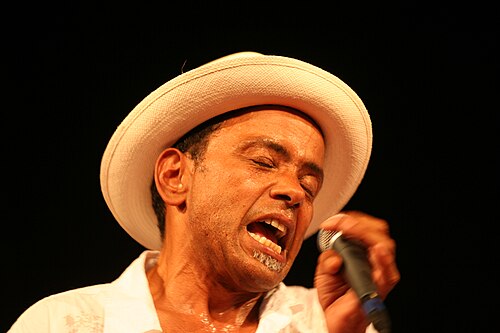
- Born
- 3 November 1958
New Orleans - Country
- United States
- Active
- 1994–
- Discography
- 8 albums
Biography
John Boutté is a jazz musician who plays voice. John Boutté was born on 3 November 1958 in New Orleans. The music is usually filed under jazz. The discography here lists 8 albums, from “Through the Eyes of a Child” (1993) to “All About Everything” (2012).
John Boutté (born November 3, 1958) is an American jazz singer based in New Orleans, Louisiana, who has been active since the mid-1990s. He is known for a diverse music style that goes beyond jazz to R&B, gospel, Latin, and blues. He is the younger brother of the jazz and gospel singer Lillian Boutté, and a relative of cartoonist George Herriman.
Read the full article on Wikipedia ↗ · From Wikipedia, the free encyclopedia (CC BY-SA 4.0)
Discography
Studio and live albums
Also plays on
Albums where John Boutté is credited as a sideman
| 2008 | Piety Street — John Scofield |
Frequently asked questions
What instrument does John Boutté play?
John Boutté is known for playing voice.
When and where was John Boutté born?
John Boutté was born 3 November 1958 in New Orleans.
What are John Boutté's best-known albums?
Albums in our database include Through the Eyes of a Child (1993), Scotch & Soda (1997), At the Foot of Canal Street (2001), Carry Me Home (2003) and Jambalaya (2003).
External links
- en.wikipedia.org ↗
- de.wikipedia.org ↗
- wikidata.org ↗
- musicbrainz.org ↗
- discogs.com ↗
- allmusic.com ↗
- johnboutte.com ↗
Data compiled from open sources; see the source links below. Spotted an error? Let us know.