- Formed
- 1916
New Orleans - Country
- United States
- Record labels
- Columbia Records, Vocalion Records, Victor Talking Machine Company
- Discography
- 2 albums
Biography
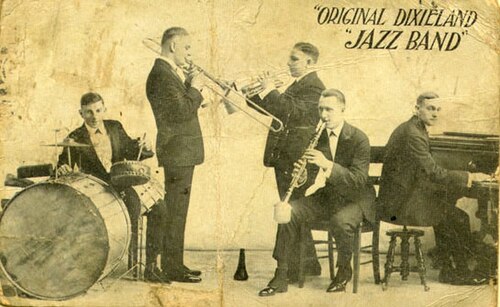
Original Dixieland Jass Band is a jazz group, formed in 1916 in New Orleans. Members include Nick LaRocca, Larry Shields, Tony Sbarbaro, Henry Ragas, J. Russel Robinson and Eddie Edwards. Record labels: Columbia Records, Vocalion Records and Victor Talking Machine Company. The discography here lists 2 albums, from “The Dixieland Collection” (1988) to “Classic Jazz Collegium” (1993).
The Original Dixieland Jass Band, later Original Dixieland Jazz Band (ODJB), was a Dixieland jazz band that made many of the earliest jazz recordings in 1917. Their "Livery Stable Blues" became the first jazz record ever issued. The group composed and recorded many jazz standards, the most famous being "Tiger Rag". In late 1917, the spelling of the band's name was changed to Original Dixieland Jazz Band. The band’s original members were Nick LaRocca (cornet), Eddie Edwards (trombone), Larry Shields (clarinet), Henry Ragas (piano), and Tony Sbarbaro (drums). Several members had previously performed in bands led by the New Orleans musician Papa Jack Laine. By late 1917, the group had adopted the spelling “Jazz” in its name. ODJB billed itself as "the Creators of Jazz". It was the first band to record jazz commercially and to have hit recordings in the genre.
Read the full article on Wikipedia ↗ · From Wikipedia, the free encyclopedia (CC BY-SA 4.0)
Members
 Nick LaRocca
1889–1961 · American jazz musician (1889–1961)
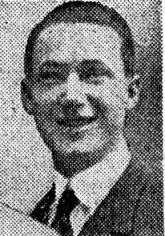 Larry Shields
1893–1953 · American jazz musician (1893-1953)
 Tony Sbarbaro
1897–1969 · American jazz drummer (1897-1969)
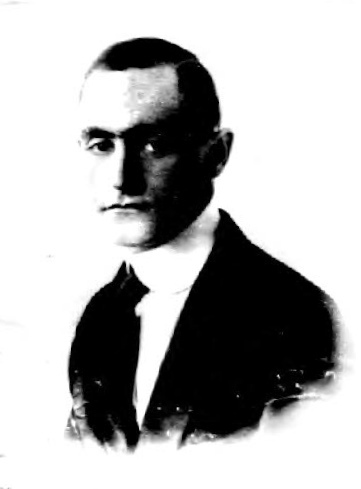 Henry Ragas
1891–1919 · American jazz musician (1891–1919)
J. Russel Robinson, Eddie Edwards
Discography
Studio and live albums
External links
- en.wikipedia.org ↗
- de.wikipedia.org ↗
- it.wikipedia.org ↗
- wikidata.org ↗
- musicbrainz.org ↗
- discogs.com ↗
- allmusic.com ↗
Data compiled from open sources; see the source links below. Spotted an error? Let us know.