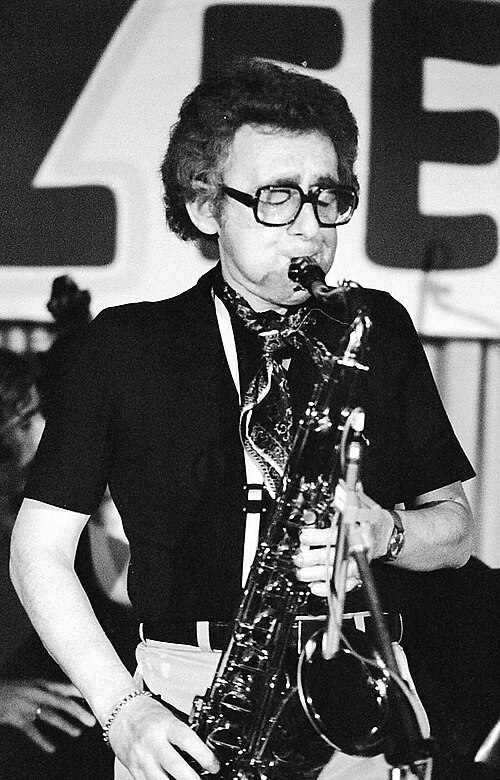
- Born
- 16 December 1946
New York City - Country
- United States
- Record labels
- SteepleChase
- Discography
- 1 album
Biography
René McLean is a jazz musician who plays saxophone and flute. René McLean was born on 16 December 1946 in New York City. The music is usually filed under jazz. Record labels: SteepleChase.
René McLean (born December 16, 1946) is a hard bop saxophonist and flutist from New York City. He started playing guitar before receiving an alto saxophone and instruction from his father, alto saxophonist Jackie McLean.
Read the full article on Wikipedia ↗ · From Wikipedia, the free encyclopedia (CC BY-SA 4.0)
Discography
Studio and live albums
Also plays on
Albums where René McLean is credited as a sideman
| 1976 | Love Dance — Woody Shaw |
| 1976 | Higher Ground — Jean Carn & Doug Carn |
| 1976 | Re-Entry — Charles Sullivan |
| 1978 | Rosewood — Woody Shaw |
| 1978 | Cubicle — Walter Bishop, Jr. |
| 1987 | New York Calling — Jackie McLean & The Cosmic Brotherhood |
| 1991 | Rites of Passage — Jackie McLean |
| 1997 | Fire & Love — Jackie McLean |
| 1997 | Fire and Love — Jackie McLean Septet |
| 1997 | Louis Hayes - Woody Shaw Quintet - Lausanne 1977 — Woody Shaw |
| 2017 | The Tour Volume Two — Woody Shaw, Louis Hayes |
Frequently asked questions
What instrument does René McLean play?
René McLean is known for playing saxophone and flute.
When and where was René McLean born?
René McLean was born 16 December 1946 in New York City.
External links
Data compiled from open sources; see the source links below. Spotted an error? Let us know.