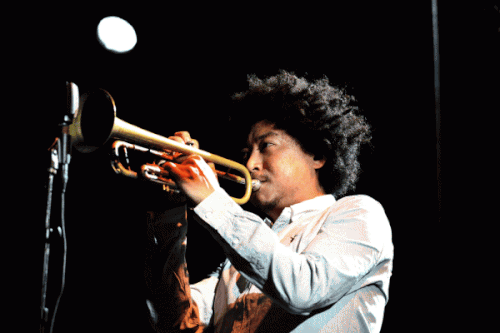
Biography
Takuya Kuroda is a jazz musician who plays trumpet. Takuya Kuroda was born on 21 February 1980 in Ashiya. The music is usually filed under jazz. Record labels: Blue Note. The discography here lists 6 albums, from “Bitter and High” (2010) to “EVERYDAY” (2025).
Takuya Kuroda (Japanese: 黒田 卓也, Hepburn: Kuroda Takuya; born 21 February 1980, in Ashiya, Hyōgo) is a Japanese jazz trumpeter and arranger. Kuroda came to music by joining his school's big band. Later he frequently visited jam sessions in Kobe. In 2003 he moved to the United States and was a course participant at Berklee College of Music before settling in Brooklyn, New York City. He later attended the College of Performing Arts of The New School, where he studied jazz and contemporary music, earning his degree in 2006. His study colleague José James became a close friend and musical partner, in 2014 producing his studio album Rising Son.
Read the full article on Wikipedia ↗ · From Wikipedia, the free encyclopedia (CC BY-SA 4.0)
Discography
Studio and live albums
Also plays on
Albums where Takuya Kuroda is credited as a sideman
| 2010 | JUJU — JUJU |
| 2013 | No Beginning No End — José James |
| 2014 | While You Were Sleeping — José James |
| 2025 | 1978: Revenge of The Dragon — José James |
Listen on Spotify
Frequently asked questions
What instrument does Takuya Kuroda play?
Takuya Kuroda is known for playing trumpet.
When and where was Takuya Kuroda born?
Takuya Kuroda was born 21 February 1980 in Ashiya.
What are Takuya Kuroda's best-known albums?
Albums in our database include Bitter and High (2010), Edge (2011), Rising Son (2014), Zigzagger (2016) and Fly Moon Die Soon (2020).
External links
- en.wikipedia.org ↗
- de.wikipedia.org ↗
- wikidata.org ↗
- musicbrainz.org ↗
- discogs.com ↗
- allmusic.com ↗
- takuyakuroda.com ↗
Data compiled from open sources; see the source links below. Spotted an error? Let us know.