alternative rock
alternative rock: what it is, how it sounds and 24 musicians associated with it.
Alternative rock (also known as alternative music, alt-rock or simply alternative) is a category of rock music that evolved from the independent music underground of the 1970s. Alternative rock acts achieved mainstream success in the 1990s with the likes of the grunge subgenre in the United States, and the Britpop and shoegaze subgenres in the United Kingdom and Ireland. During this period, many record labels were looking for "alternatives", as many corporate rock, hard rock, and glam metal acts from the 1980s were beginning to grow stale throughout the music industry. The emergence of Generation X as a cultural force in the 1980s and 1990s also contributed greatly to the rise of alternative music. "Alternative" refers to the genre's distinction from mainstream or commercial rock or pop. The term's original meaning was broader, referring to musicians influenced by the musical style or independent, DIY ethos of late-1970s punk rock.
Read the full article on Wikipedia ↗ · From Wikipedia, the free encyclopedia (CC BY-SA 4.0)
alternative rock musicians
 Red Hot Chili Peppers
1982– · American rock band
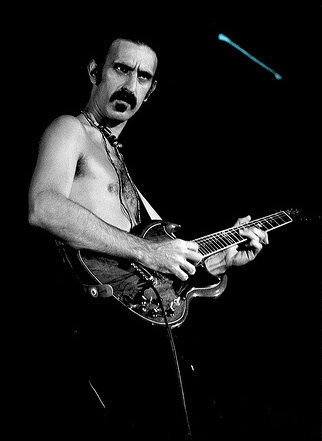 Frank Zappa
1940–1993 · American musician (1940–1993)
 Fiona Apple
b. 1977 · American musician (born 1977)
 Jamiroquai
1992– · British acid jazz band
 Thurston Moore
b. 1958 · American guitarist (born 1958)
 Elizabeth Gillies
b. 1993 · American actress and singer (born 1993)
 The Roots
1987– · American hip hop band
 Kimbra
b. 1990 · New Zealand singer
 Mike Patton
b. 1968 · American singer
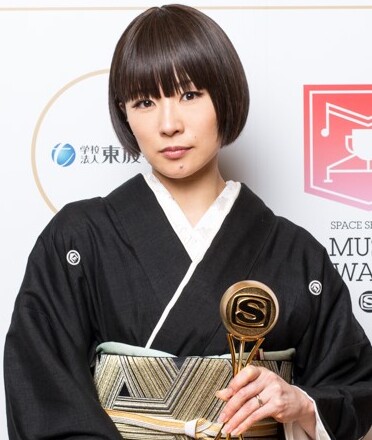 Ringo Sheena
b. 1978 · Japanese singer-songwriter (1978-)
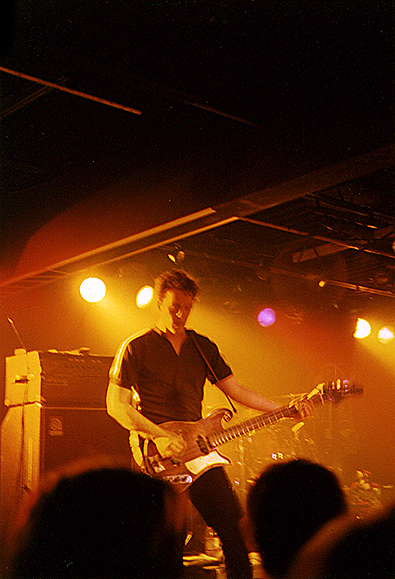 Morphine
1989– · American alternative rock band
 Brian Setzer
b. 1959 · American singer
 Jimmy Chamberlin
b. 1964 · American drummer and record producer
 Sukima Switch
1999– · Japanese musical duo (1999-)
 Auktyon
1978– · band
New Radicals
1997– · band that played alternative rock
 Will Calhoun
b. 1964 · American musician
 Wolfgang Haffner
b. 1965 · German musician
 Zvuki Mu
1981– · Russian rock band
 Carla's Dreams
Moldovan music project
 Stanton Moore
b. 1972 · American funk, jazz, and rock drummer
 Ches Smith
b. 2000 · American musician
 Absynthe Minded
1999– · Belgian rock band
 Barrett Martin
b. 1967 · American drummer
Latest posts
- Evaluating Jazz Syncopation Sources and Rhythmic Analysis
- Instruments of Bossa Nova Essential Tools for the Sound
- Why Is Improv Important in Jazz and How It Defines the Genre
- How to Memorize Jazz Standards Efficiently
- What Is the Most Well-Known Jazz Standard and Why It Wins
- What Does the ø Symbol Mean in Jazz Theory
- Examples of Bebop Jazz and Essential Listening Tracks
- What Is a Basic Drumming Pattern Called and How It Works
- How to Ear Train Effectively for Better Musicianship
- How to Notate a Tritone Substitution in Jazz Charts