chamber jazz
chamber jazz: what it is, how it sounds and 4 musicians associated with it.
Chamber jazz is a genre of jazz involving small, acoustic-based ensembles where group interplay is important. It is influenced aesthetically by the small ensembles of chamber music in musical neoclassicism and is often influenced by classical forms of Western music, non-Western music and culture, and various folk genres such as Celtic music, Central European, or Latin American music. American bassist John Kirby (1908-1952) is arguably the first chamber jazz musician with a sextet he led in the 1930s and '40s. However, many other early exponents originated in Europe so significant neoclassical composers of Europe, like Igor Stravinsky, are important. The German ECM Records also played a role in popularizing the genre beginning in the late 1960s. It is also noted for using instruments not normally associated with jazz. For example, chamber jazz will make use of the oboe, mandolin, cymbalum, or the tabla.
Read the full article on Wikipedia ↗ · From Wikipedia, the free encyclopedia (CC BY-SA 4.0)
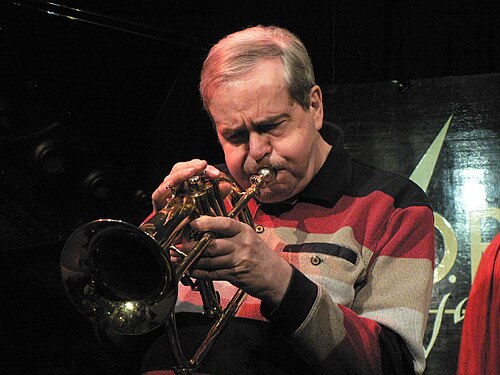
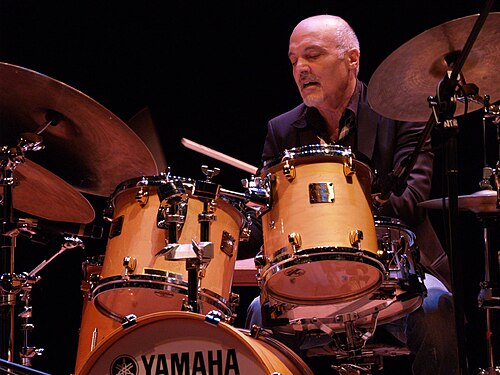
chamber jazz musicians

Latest posts
- Evaluating Jazz Syncopation Sources and Rhythmic Analysis
- Instruments of Bossa Nova Essential Tools for the Sound
- Why Is Improv Important in Jazz and How It Defines the Genre
- How to Memorize Jazz Standards Efficiently
- What Is the Most Well-Known Jazz Standard and Why It Wins
- What Does the ø Symbol Mean in Jazz Theory
- Examples of Bebop Jazz and Essential Listening Tracks
- What Is a Basic Drumming Pattern Called and How It Works
- How to Ear Train Effectively for Better Musicianship
- How to Notate a Tritone Substitution in Jazz Charts