ragtime
ragtime: what it is, how it sounds and 10 musicians associated with it.
Ragtime, also spelled rag-time or rag time, is a musical style noted for its syncopated or "ragged" rhythm. It originated in African American communities in the late 19th century and was propelled to popularity in the 1890s to 1910s by composers such as James Scott, Joseph Lamb, and particularly Scott Joplin. Known as the "King of Ragtime", Joplin gained fame through compositions like "Maple Leaf Rag" and "The Entertainer". The style is closely related to marches. Ragtime pieces (often called "rags") usually contain several distinct themes, often arranged in patterns of repeats and reprises. They are typically composed for and performed on the piano, though the genre has been adapted for a variety of instruments and styles. The music was initially distributed primarily through sheet music and piano rolls.
Read the full article on Wikipedia ↗ · From Wikipedia, the free encyclopedia (CC BY-SA 4.0)
ragtime musicians
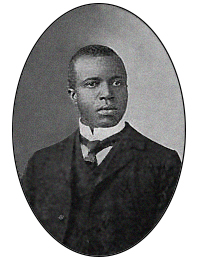 Scott Joplin
1868–1917 · American composer, musician, pianist (1867/68-1917)
 Al Jolson
1886–1950 · American entertainer, actor, and singer (1886–1950)
 Jelly Roll Morton
1890–1941 · American ragtime and jazz pianist, bandleader and composer…
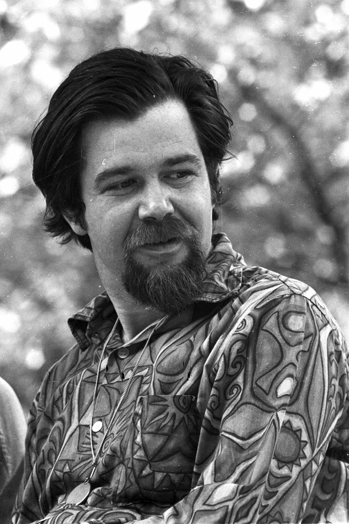 Dave Van Ronk
1936–2002 · American musician (1936–2002)
 Postmodern Jukebox
2011– · American music band
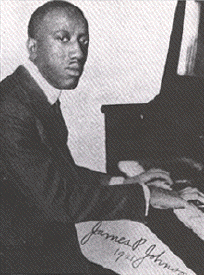 James P. Johnson
1894–1955 · American pianist and composer (1894–1955)
 Leon Redbone
1949–2019 · musician, songwriter, arranger, producer (1949-2019)
 Dorothy Donegan
1924–1998 · American jazz pianist (1922–1998)
 Zez Confrey
1895–1971 · American composer and pianist (1895–1971)
 Euday L. Bowman
1887–1949 · American composer
Latest posts
- Evaluating Jazz Syncopation Sources and Rhythmic Analysis
- Instruments of Bossa Nova Essential Tools for the Sound
- Why Is Improv Important in Jazz and How It Defines the Genre
- How to Memorize Jazz Standards Efficiently
- What Is the Most Well-Known Jazz Standard and Why It Wins
- What Does the ø Symbol Mean in Jazz Theory
- Examples of Bebop Jazz and Essential Listening Tracks
- What Is a Basic Drumming Pattern Called and How It Works
- How to Ear Train Effectively for Better Musicianship
- How to Notate a Tritone Substitution in Jazz Charts