samba
samba: what it is, how it sounds and 16 musicians associated with it.
Samba is a broad term for many of the rhythms that compose the better known Brazilian music genres that originated in the Afro-Brazilian communities of Bahia in the late 19th century and early 20th century. It is a name or prefix used for several rhythmic variants, such as samba urbano carioca (urban Carioca samba), samba de roda (sometimes also called rural samba), among many other forms of samba, mostly originated in the Rio de Janeiro and Bahia states. Having its roots in West African musical traditions, especially those linked to the primitive rural samba of the colonial and imperial periods, it is considered one of the most important cultural phenomena in Brazil and one of the country symbols. Present in the Portuguese language at least since the 19th century, the word "samba" was originally used to designate a "popular dance".
Read the full article on Wikipedia ↗ · From Wikipedia, the free encyclopedia (CC BY-SA 4.0)
samba musicians
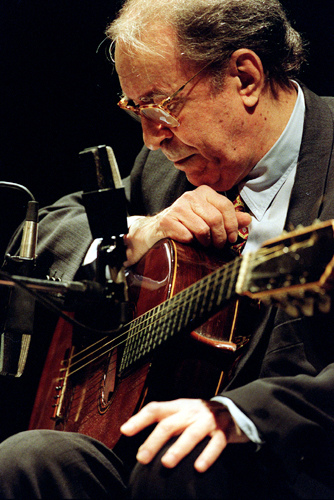 João Gilberto
1931–2019 · Brazilian musician, pioneer of bossa nova (1931–2019)
 Chico Buarque
b. 1944 · Brazilian singer-songwriter
 Astrud Gilberto
1940–2023 · Brazilian-American singer and songwriter (1940–2023)
 Toquinho
b. 1946 · Brazilian musician
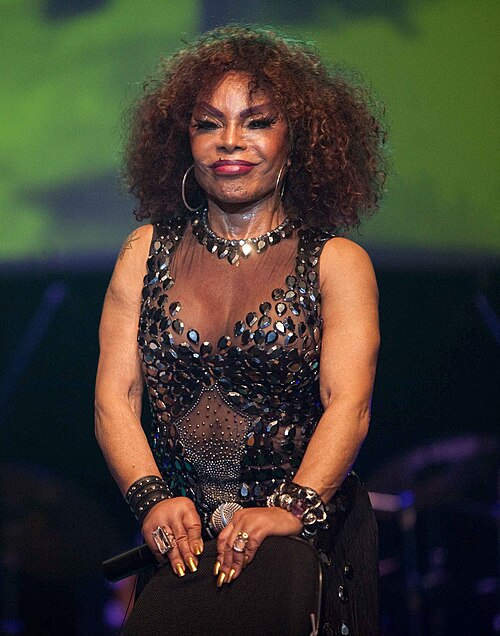 Elza Soares
1930–2022 · Brazilian musician (1930–2022)
 Djavan
b. 1949 · Brazilian singer/songwriter
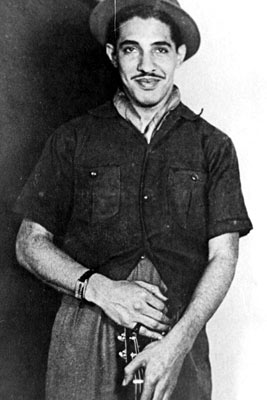 Dorival Caymmi
1914–2008 · Brazilian singer, songwriter, actor, and painter (1914–2008)
 Marcos Valle
b. 1943 · Brazilian musician and singer
 Elizete Cardoso
1920–1990 · Brazilian singer (1920–1990)
 Azymuth
1973– · Brazilian musical group
 Jair Rodrigues
1939–2014 · Brazilian musician and singer (1939–2014)
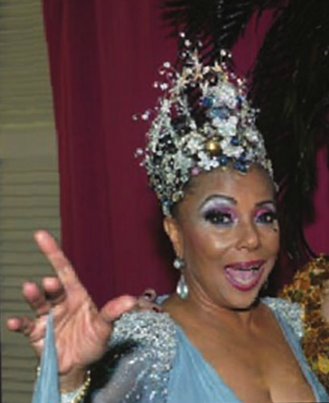 Eliana Pittman
b. 1945 · Brazilian actress and singer (1945-)
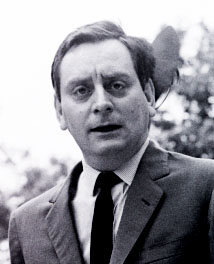 Enrico Simonetti
1924–1978 · Italian composer (1924–1978)
 Giovanni Hidalgo
b. 1963 · Puerto Rican percussionist and music educator
 Francis Hime
b. 1939 · Brazilian musician
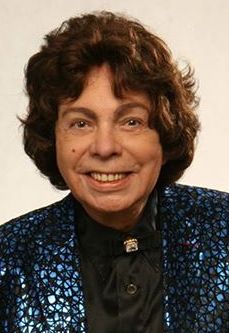 Cauby Peixoto
1931–2016 · Brazilian singer
Latest posts
- Evaluating Jazz Syncopation Sources and Rhythmic Analysis
- Instruments of Bossa Nova Essential Tools for the Sound
- Why Is Improv Important in Jazz and How It Defines the Genre
- How to Memorize Jazz Standards Efficiently
- What Is the Most Well-Known Jazz Standard and Why It Wins
- What Does the ø Symbol Mean in Jazz Theory
- Examples of Bebop Jazz and Essential Listening Tracks
- What Is a Basic Drumming Pattern Called and How It Works
- How to Ear Train Effectively for Better Musicianship
- How to Notate a Tritone Substitution in Jazz Charts