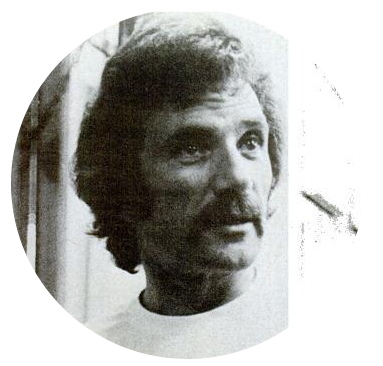
Musicisti · 1936–2017
David Axelrod
Compositore e produttore discografico statunitense (1931–2017)
- Nascita
- 17 aprile 1936
Los Angeles - Morte
- 5 febbraio 2017
Burbank - Paese
- Stati Uniti
- Attività
- 1959–
- Etichette
- Capitol Records
- Discografia
- 14 album
Biografia
David Axelrod è stato un musicista jazz. Nato il 17 aprile 1936 a Los Angeles, morto il 5 febbraio 2017 a Burbank. Lo stile è di solito associato a jazz. Etichette: Capitol Records. La discografia qui comprende 14 album, da «Song of Innocence» (1968) a «Live at Royal Festival Hall» (2008).
David Axelrod (Los Angeles, 17 aprile 1933 – Burbank, 5 febbraio 2017) è stato un compositore e produttore discografico statunitense.
Leggi la voce completa su Wikipedia ↗ · Da Wikipedia, l'enciclopedia libera (CC BY-SA 4.0)
Discografia
Album in studio e dal vivo
Suona anche in
Album in cui David Axelrod compare come sideman
| 1965 | Domination — Cannonball Adderley |
| 1965 | Nobody but Lou — Lou Rawls |
| 1966 | Soulin’ — Lou Rawls |
| 1966 | Live! — Lou Rawls |
| 1967 | Too Much! — Lou Rawls |
| 1967 | Merry Christmas Ho! Ho! Ho! — Lou Rawls |
| 1968 | You're Good for Me — Lou Rawls |
| 1969 | The Way It Was: The Way It Is — Lou Rawls |
| 1969 | Your Good Thing — Lou Rawls |
| 1970 | You’ve Made Me So Very Happy — Lou Rawls |
| 1972 | Soul Of The Bible — Cannonball Adderley Presents The Nat Adderley Sextet Plus Rick Holmes |
| 1972 | The Black Messiah — Cannonball Adderley |
| 1974 | Love, Sex, and the Zodiac — Cannonball Adderley |
| 1974 | Brasswind — Gene Ammons |
| 1989 | A Promise — Myriam Makeba |
| 1991 | Joe Williams Live — Joe Williams |
| 1995 | A Merry Little Christmas — Lou Rawls |
| 1998 | Conducts The Los Angeles Neophonic Orchestra — Stan Kenton |
| 2000 | Swingin' Christmas — Lou Rawls |
| 2001 | Christmas Will Be Christmas — Lou Rawls |
| 2004 | Cannonball Plays Zawinul — Cannonball Adderley |
| 2005 | Christmas Is the Time — Lou Rawls |
Ascolta su Spotify
Domande frequenti
Quando e dove è nato David Axelrod?
David Axelrod è nato 17 aprile 1936 a Los Angeles.
Quali sono gli album più noti di David Axelrod?
Nel nostro archivio ci sono, tra gli altri, Song of Innocence (1968), Songs of Experience (1969), Earth Rot (1970), Pride (1970) e David Axelrod's Rock Interpretation Of Handel's Messiah (1971).
Collegamenti esterni
- en.wikipedia.org ↗
- de.wikipedia.org ↗
- it.wikipedia.org ↗
- wikidata.org ↗
- musicbrainz.org ↗
- discogs.com ↗
- allmusic.com ↗
- davidaxelrodmusic.com ↗
Dati raccolti da fonti aperte; vedi i riferimenti qui sotto. Hai trovato un errore? Scrivici.