- Nascita
- 22 agosto 1941
Los Angeles - Morte
- 21 gennaio 2019
Inglewood - Paese
- Stati Uniti
- Attività
- 1975–
- Etichette
- Polydor Records
- Discografia
- 5 album
Biografia
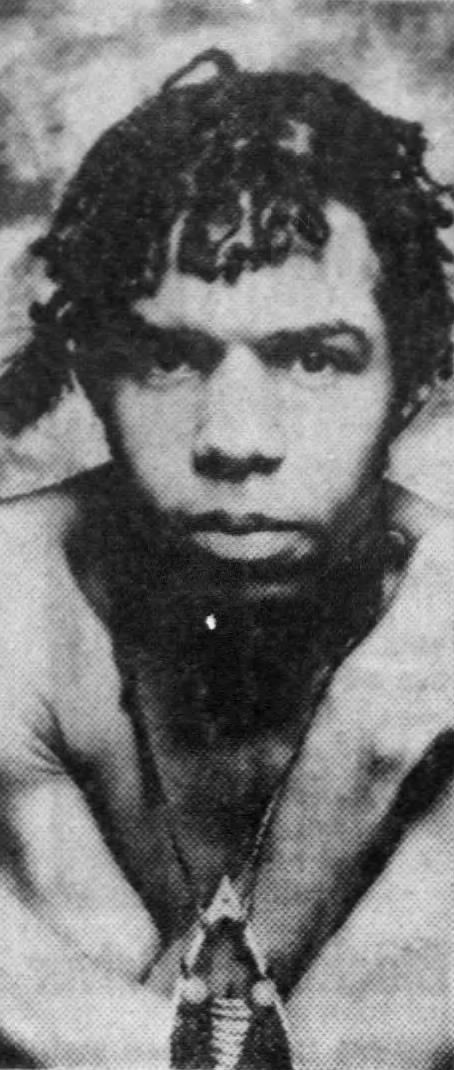
Edwin Birdsong è stato un musicista jazz (organo). Nato il 22 agosto 1941 a Los Angeles, morto il 21 gennaio 2019 a Inglewood. Lo stile è di solito associato a funk. Etichette: Polydor Records. La discografia qui comprende 5 album, da «What It Is» (1971) a «Funtaztik» (1981).
Edwin L. Birdsong (Los Angeles, 22 agosto 1941 – Inglewood, 21 gennaio 2019) è stato un tastierista e organista statunitense, noto tra gli anni 1970 e gli anni 1980 per la sua musica sperimentale a metà tra il funk e la disco music. Pur non avendo ottenuto molto successo nelle classifiche, sviluppò una forte fanbase e i suoi brani sono stati campionati da diversi artisti musicali, in particolare i Daft Punk (che in Harder, Better, Faster, Stronger hanno utilizzato la base musicale di Cola Bottle Baby) e Gang Starr (che nella loro canzone Skills hanno campionato il singolo Rapper Dapper Snapper).
Leggi la voce completa su Wikipedia ↗ · Da Wikipedia, l'enciclopedia libera (CC BY-SA 4.0)
Discografia
Album in studio e dal vivo
Suona anche in
Album in cui Edwin Birdsong compare come sideman
Domande frequenti
Che strumento suonava Edwin Birdsong?
Edwin Birdsong è noto per organo.
Quando e dove è nato Edwin Birdsong?
Edwin Birdsong è nato 22 agosto 1941 a Los Angeles.
Quali sono gli album più noti di Edwin Birdsong?
Nel nostro archivio ci sono, tra gli altri, What It Is (1971), Super Natural (1973), Dance of Survival (1975), Edwin Birdsong (1979) e Funtaztik (1981).
Collegamenti esterni
Dati raccolti da fonti aperte; vedi i riferimenti qui sotto. Hai trovato un errore? Scrivici.