- Attività
- 1959–
Biografia
Ian Underwood è un musicista jazz (sassofono). Nato il 22 maggio 1939 a New York. Lo stile è di solito associato a jazz.
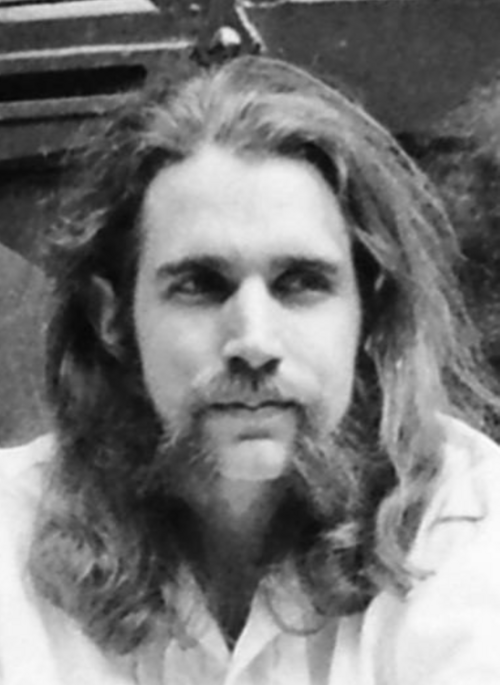
Ian Underwood (New York, 22 maggio 1939) è un sassofonista, flautista e pianista statunitense. Fu membro dei The Mothers of Invention e collaborò a lungo con Frank Zappa. È stato sposato con Ruth Komanoff, percussionista che a sua volta ha partecipato ad incisioni in studio e a tour di Zappa. Dopo le esperienze con Zappa, ha lavorato come "session man" facendosi notare soprattutto per la sua abilità al minimoog. La sua opera include vari progetti, comprese partecipazioni con Quincy Jones, Barbra Streisand, Ronee Blakley, Hugh Cornwell e Barry Manilow. Underwood ha anche collaborato (al piano) a varie colonne sonore di James Horner tra le quali quella di Titanic (1997) e Sneakers (I signori della truffa) del (1992).
Leggi la voce completa su Wikipedia ↗ · Da Wikipedia, l'enciclopedia libera (CC BY-SA 4.0)
Suona anche in
Album in cui Ian Underwood compare come sideman
| 1969 |
Hot Rats — Frank Zappa |
clarinet, flute, organ, piano, saxophone |
| 1969 |
King Kong — Jean‐Luc Ponty |
tenor saxophone, conductor |
| 1970 |
Chunga’s Revenge — Frank Zappa |
organ, guitar, piano, electric piano, electric guitar, pipe organ |
| 1970 |
Weasels Ripped My Flesh — The Mothers of Invention |
woodwind |
| 1974 |
High Energy — Freddie Hubbard |
synthesizer |
| 1975 |
Mellow Madness — Quincy Jones |
programming |
| 1975 |
Liquid Love — Freddie Hubbard |
Moog |
| 1976 |
Can't Hide Love — Carmen McRae |
synthesizer |
| 1976 |
First Course — Lee Ritenour |
programming |
| 1976 |
Yesterdays Dreams — Alphonso Johnson |
synthesizer, arranger |
| 1977 |
Captain Fingers — Lee Ritenour |
keyboard |
| 1977 |
Funk in a Mason Jar — Harvey Mason |
synthesizer |
| 1977 |
Road To Tomorrow — Chi Coltrane |
programming |
| 1978 |
Songbird — Barbra Streisand |
synthesizer |
| 1978 |
The Captain's Journey — Lee Ritenour |
synthesizer |
| 1979 |
Wet — Barbra Streisand |
synthesizer |
| 1979 |
Soul Believer — Milt Jackson |
synthesizer |
| 1979 |
Feel the Night — Lee Ritenour |
keyboard, synthesizer |
| 1979 |
Extensions — The Manhattan Transfer |
synthesizer |
| 1981 |
“The Dude” — Quincy Jones |
synthesizer, programming |
| 1982 |
Dark Orchid — Sammy Nestico |
synthesizer |
| 1989 |
Back on the Block — Quincy Jones |
handclaps, programming |
| 1991 |
The Ark — The Mothers of Invention |
woodwind, keyboard |
| 1992 |
Disconnected Synapses — Frank Zappa & The Mothers |
keyboard, soprano saxophone |
| 1992 |
Beat the Boots! II — Frank Zappa |
keyboard, soprano saxophone |
| 1992 |
Here’s to Life — Shirley Horn |
synthesizer |
| 1993 |
Back to Broadway — Barbra Streisand |
synthesizer |
| 1993 |
Forever — Michael Feinstein |
keyboard |
| 2023 |
Funky Nothingness — Frank Zappa |
keyboard, electric guitar |
| 2024 |
Whisky a Go Go, 1968 — Frank Zappa & The Mothers of Invention |
alto saxophone |
Domande frequenti
Che strumento suona Ian Underwood?
Ian Underwood è noto per sassofono.
Quando e dove è nato Ian Underwood?
Ian Underwood è nato 22 maggio 1939 a New York.
Collegamenti esterni
Dati raccolti da fonti aperte; vedi i riferimenti qui sotto. Hai trovato un errore? Scrivici.