- Nascita
- 4 maggio 1953
Seattle - Paese
- Stati Uniti
- Attività
- 1980–
- Etichette
- Fontana Records, Entertainment One Music
- Discografia
- 9 album
Biografia
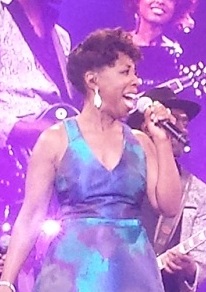
Oleta Adams è una musicista jazz (pianoforte e voce). Nata il 4 maggio 1953 a Seattle. Lo stile è di solito associato a jazz e soul. Etichette: Fontana Records e Entertainment One Music. La discografia qui comprende 9 album, da «Circle of One» (1990) a «Third Set» (2017). Tra i riconoscimenti: Kansas Music Hall of Fame (2010).
Oleta Angela Adams (Seattle, 4 maggio 1953) è una cantante e pianista statunitense afro-americana, dedita ai generi gospel, jazz, soul e R&B ed in attività dall'inizio degli anni ottanta. In totale, ha pubblicato sinora 11 album (9 studio + 2 raccolte) il primo dei quali è Untitled del 1982. Tra i suoi brani più noti, figurano Woman in Chains, incisa nel 1989 assieme ai Tears for Fears, e Get Here del 1991.
Leggi la voce completa su Wikipedia ↗ · Da Wikipedia, l'enciclopedia libera (CC BY-SA 4.0)
Discografia
Album in studio e dal vivo
Suona anche in
Album in cui Oleta Adams compare come sideman
| 1995 | Pearls — David Sanborn |
| 2006 | One More for the Road — Toots Thielemans |
| 2016 | Still Euge — Euge Groove |
| 2018 | This Masquerade — David Sanborn |
Premi
Domande frequenti
Che strumento suona Oleta Adams?
Oleta Adams è noto per pianoforte e voce.
Quando e dove è nato Oleta Adams?
Oleta Adams è nato 4 maggio 1953 a Seattle.
Quali sono gli album più noti di Oleta Adams?
Nel nostro archivio ci sono, tra gli altri, Circle of One (1990), Get Here (1991), Evolution (1993), Moving On (1995) e Come Walk With Me (1997).
Collegamenti esterni
- en.wikipedia.org ↗
- de.wikipedia.org ↗
- it.wikipedia.org ↗
- wikidata.org ↗
- musicbrainz.org ↗
- discogs.com ↗
- allmusic.com ↗
- oletaadams.com ↗
Dati raccolti da fonti aperte; vedi i riferimenti qui sotto. Hai trovato un errore? Scrivici.