rock progressivo
rock progressivo: che cos'è, come suona e 47 musicisti legati a questo stile.
Il rock progressivo (dall'inglese progressive rock), anche noto come prog o prog rock, è un genere della musica rock, evoluto dal rock psichedelico britannico degli anni sessanta e diffusosi in Germania, Italia e Francia nel corso del decennio e di quello successivo. Similarmente all'art rock, nacque rispondendo all'esigenza di dare alla musica rock maggiore spessore culturale e credibilità. Il nome del genere, considerato da alcuni inadeguato, indica la progressione del rock dalle sue radici blues, di matrice statunitense, a un livello maggiore di complessità e varietà ritmica, compositiva, melodica, armonica e stilistica. I fautori di questa tendenza si distaccarono dalla struttura musicale popolare tipica della Tin Pan Alley in favore di strumentazioni e tecniche compositive frequentemente associate alla musica classica e al jazz o alla musica colta in genere.
Leggi la voce completa su Wikipedia ↗ · Da Wikipedia, l'enciclopedia libera (CC BY-SA 4.0)
Musicisti: rock progressivo
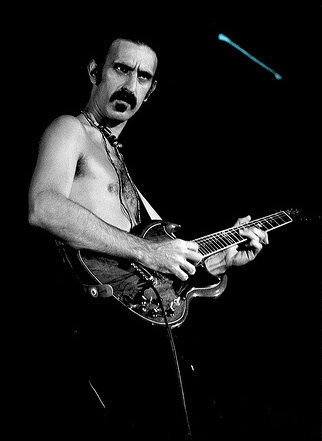 Frank Zappa
1940–1993 · chitarrista, compositore e arrangiatore statunitense…
 Phil Collins
n. 1951 · cantautore britannico (1951-)
 Serge Gainsbourg
1928–1991 · cantautore, attore, regista, compositore e paroliere…
 Toto
1977– · gruppo musicale statunitense
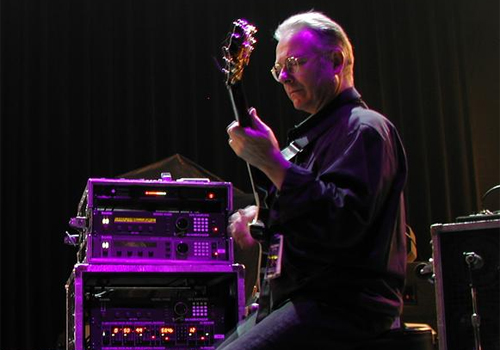 Robert Fripp
n. 1946 · chitarrista e compositore britannico
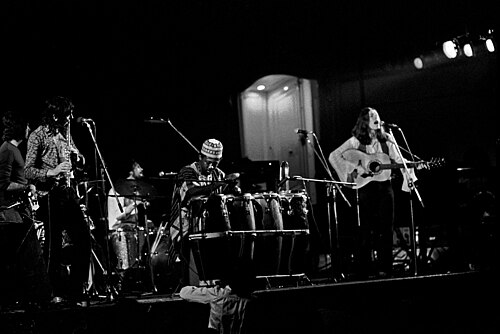 Traffic
1967– · gruppo musicale inglese
 Karl Jenkins
n. 1944 · compositore e musicista gallese
 Omar Rodríguez-López
n. 1975 · chitarrista, produttore discografico e regista portoricano
 Steve Morse
n. 1954 · chitarrista statunitense
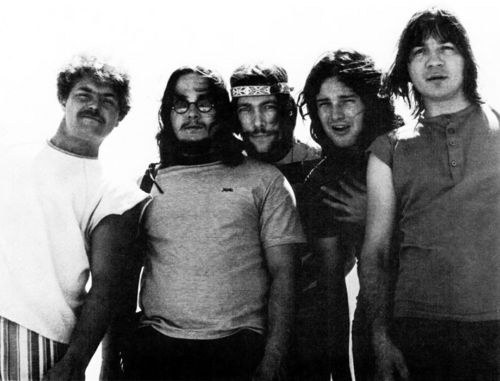 The Guess Who
1965– · gruppo musicale canadese
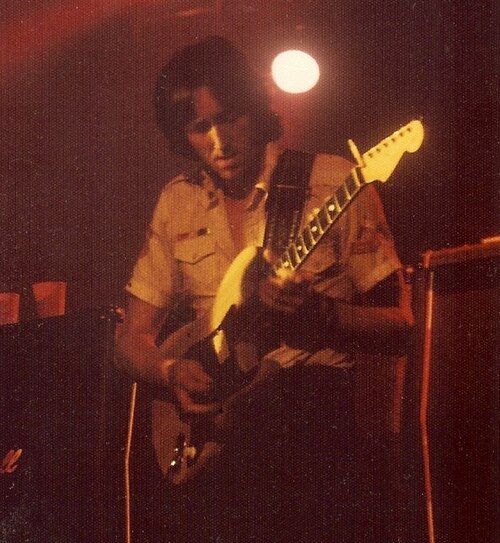 Allan Holdsworth
1946–2017 · chitarrista e compositore inglese
 Didier Lockwood
1956–2018 · violinista francese
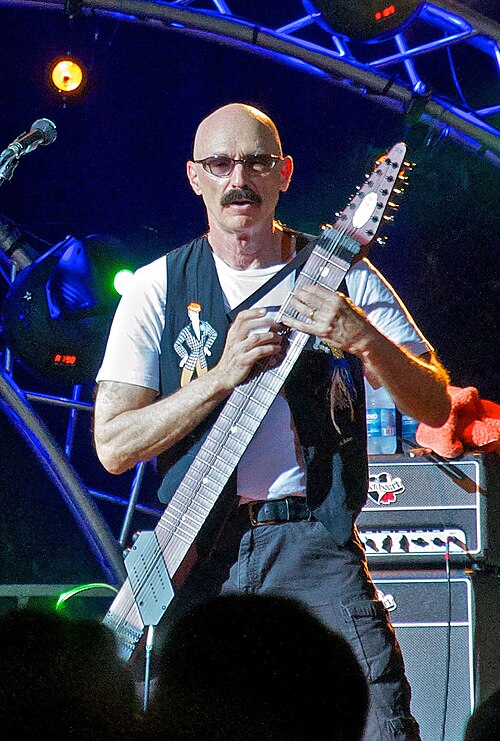 Tony Levin
n. 1946 · bassista e stickista statunitense (1946-)
 Andy Summers
n. 1942 · chitarrista e compositore inglese
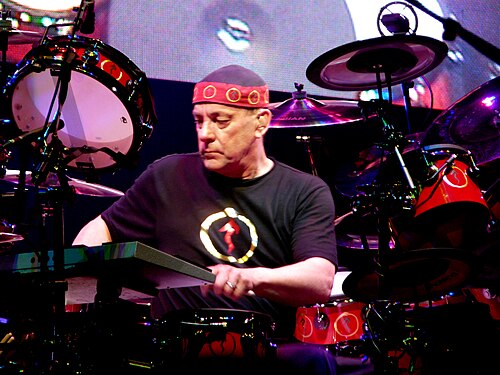 Neil Peart
1952–2020 · batterista, paroliere e scrittore canadese (1952-2020)
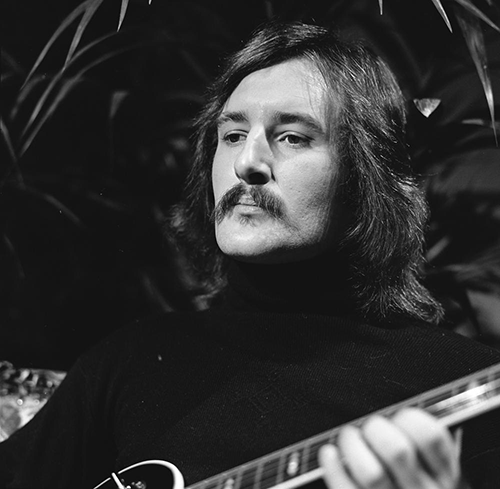 Jan Akkerman
n. 1946 · chitarrista olandese
 The Mothers of Invention
1964– · gruppo musicale statunitense
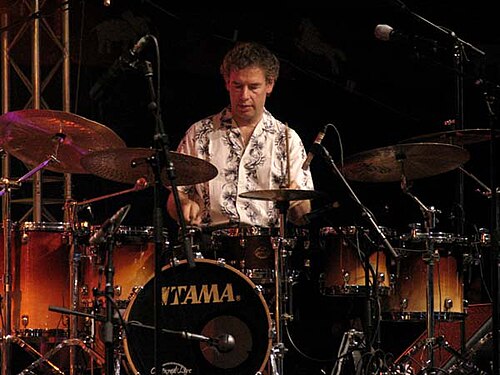 Bill Bruford
n. 1949 · batterista inglese
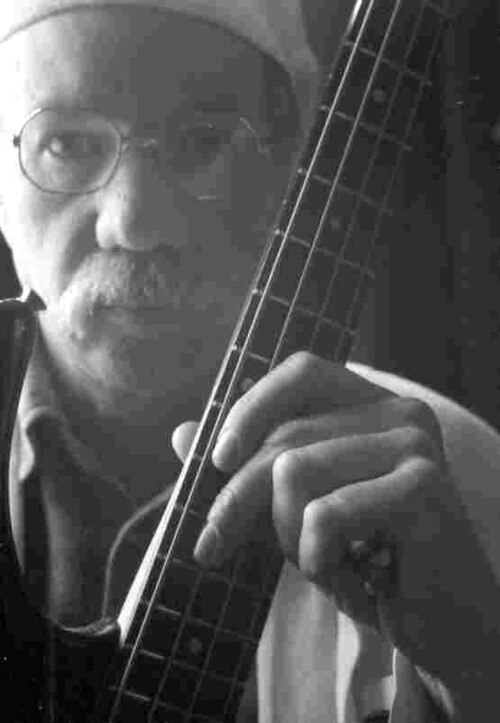 Hugh Hopper
1945–2009 · bassista e compositore britannico (1945-2009)
Mahavishnu Orchestra
1971– · gruppo musicale statunitense
 Return to Forever
1972– · gruppo musicale statunitense
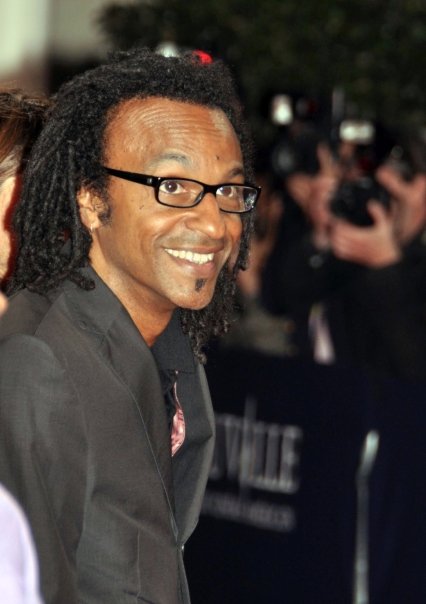 Manu Katché
n. 1958 · batterista, musicista di studio, compositore, cantante…
 Piknik
1978– · gruppo musicale russo
 Patrick Moraz
n. 1948 · tastierista svizzero
 SBB
Polish rock band
 Chester Thompson
n. 1948 · batterista statunitense
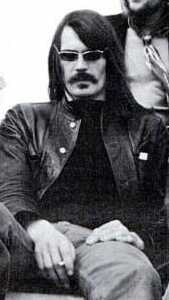 Mike Ratledge
1943–2025 · tastierista e compositore britannico (1943-2025)
 Demetrio Stratos
1945–1979 · cantante, polistrumentista e musicologo greco…
 Jonas Hellborg
n. 1958 · Swedish bassist
Henry Cow
1968– · gruppo musicale inglese
 Aleksej Semënovič Kozlov
1935–2026 · sassofonista russo
 California Guitar Trio
1991– · U.S.-based guitar trio formed in 1991
National Health
1975– · gruppo musicale inglese
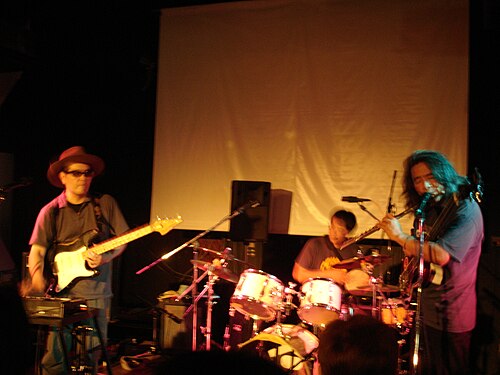 Ruins
1985– · Japanese band
Pekka Pohjola
1952–2008 · compositore finlandese
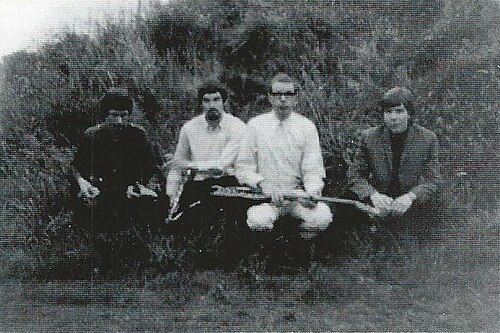 The Wilde Flowers
1963– · gruppo musicale inglese
 Mitchel Forman
n. 1956 · American jazz and fusion keyboard player
Jimmy Hastings
1938–2024 · flautista, sassofonista e clarinettista britannico…
Pip Pyle
1950–2006 · batterista e compositore inglese
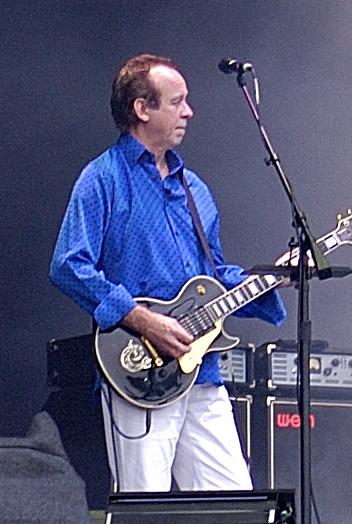 Quiet Sun
1970–1975 · gruppo musicale inglese
 Roy Babbington
n. 1940 · British bassist
Zao
1971– · gruppo musicale francese
Alan Skidmore
n. 1942 · British saxophonist
Laurie Allan
n. 1943 · batterista e percussionista britannico
 Torstein Lofthus
n. 1977 · Norwegian musician
Centipede
gruppo musicale britannico
Oleh Suk
n. 1965 · Ukrainian musician
Latest posts
- How to Create Jazz Music A Practical Approach to Crafting
- How to Choose Jazz Scales with Practical Examples
- What Is a Jazz Lead Sheet and How Do Musicians Use It
- Evaluating Jazz Syncopation Sources and Rhythmic Analysis
- Instruments of Bossa Nova Essential Tools for the Sound
- Why Is Improv Important in Jazz and How It Defines the Genre
- How to Memorize Jazz Standards Efficiently
- What Is the Most Well-Known Jazz Standard and Why It Wins
- What Does the ø Symbol Mean in Jazz Theory
- Examples of Bebop Jazz and Essential Listening Tracks