progressive rock
progressive rock: what it is, how it sounds and 47 musicians associated with it.
Progressive rock (shortened to prog rock or simply prog) is a broad genre of rock music that primarily developed in the United States and United Kingdom through the mid- to late 1960s. Initially termed "progressive pop", the style emerged from psychedelic bands who abandoned standard pop or rock traditions in favour of instrumental and compositional techniques more commonly associated with jazz, folk, or classical music, while retaining the instrumentation typical of rock music. Additional elements contributed to its "progressive" label: lyrics were more poetic, technology was harnessed for new sounds, music approached the condition of "art", and the studio, rather than the stage, became the focus of musical activity, which often involved creating music for listening rather than dancing. Progressive rock includes a fusion of styles, approaches and genres, and tends to be diverse and eclectic.
Read the full article on Wikipedia ↗ · From Wikipedia, the free encyclopedia (CC BY-SA 4.0)
progressive rock musicians
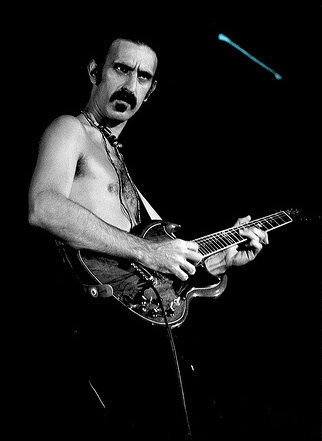 Frank Zappa
1940–1993 · American musician (1940–1993)
 Phil Collins
b. 1951 · English drummer, singer, and songwriter (born 1951)
 Serge Gainsbourg
1928–1991 · French singer, songwriter, composer, writer, actor and…
 Toto
1977– · American rock band
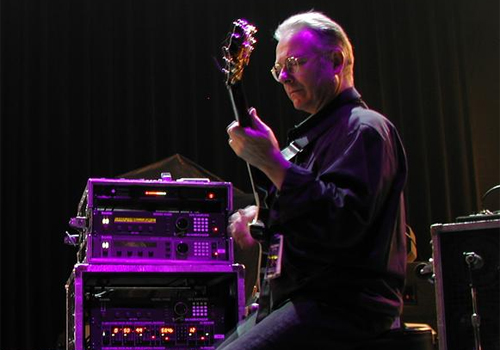 Robert Fripp
b. 1946 · English guitarist, composer and record producer
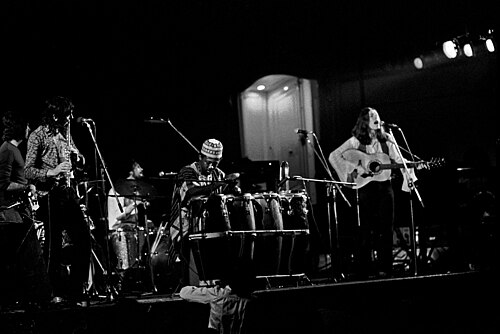 Traffic
1967– · English rock band
 Karl Jenkins
b. 1944 · Welsh musician and composer (b. 1944)
 Omar Rodríguez-López
b. 1975 · American musician and record producer
 Steve Morse
b. 1954 · American guitarist
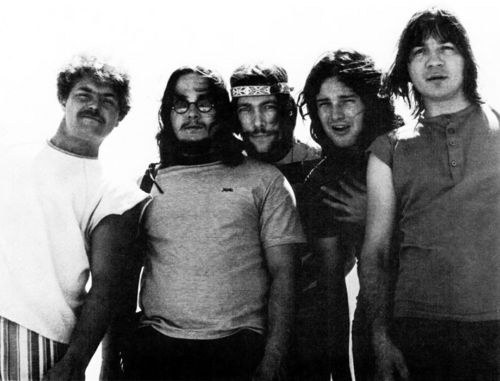 The Guess Who
1965– · Canadian band
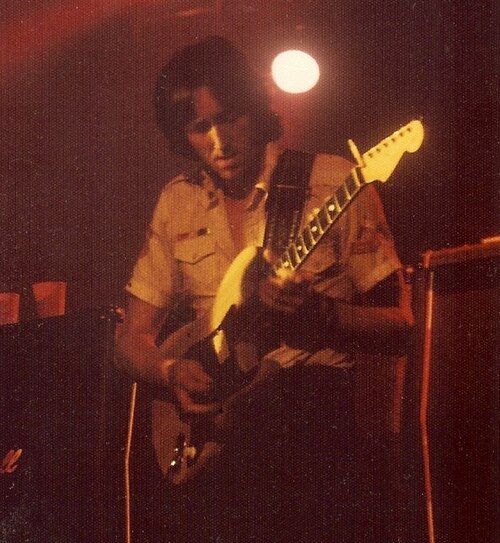 Allan Holdsworth
1946–2017 · British musician (1946–2017)
 Didier Lockwood
1956–2018 · French jazz violonist and composer (1956–2018)
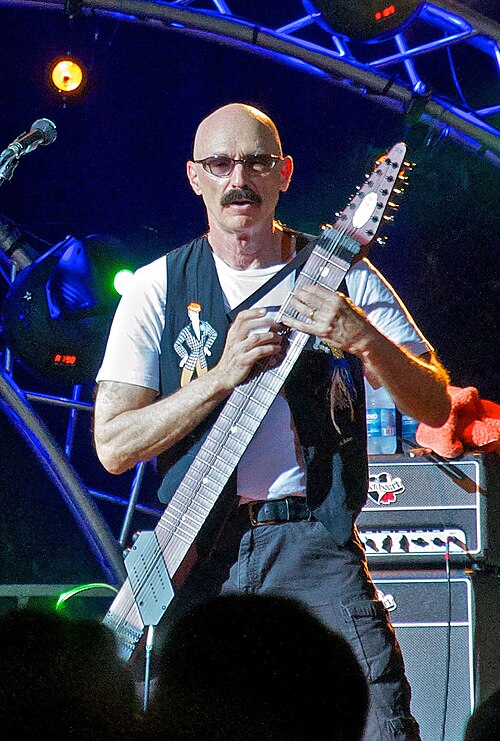 Tony Levin
b. 1946 · American rock bass player (born 1946)
 Andy Summers
b. 1942 · British guitarist
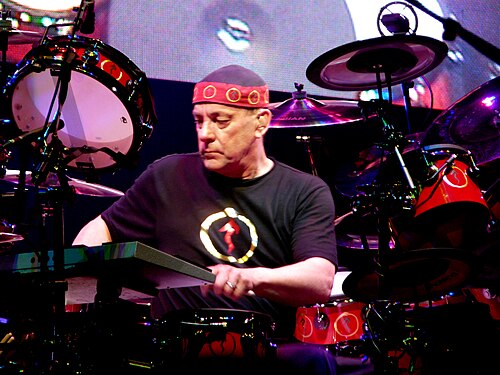 Neil Peart
1952–2020 · Canadian-American drummer and lyricist (1952–2020)
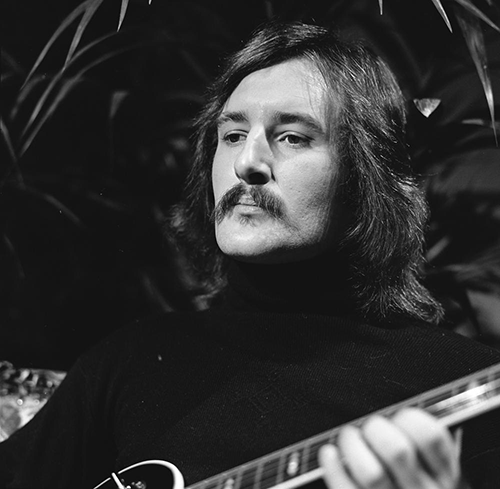 Jan Akkerman
b. 1946 · Dutch guitarist
 The Mothers of Invention
1964– · American rock band
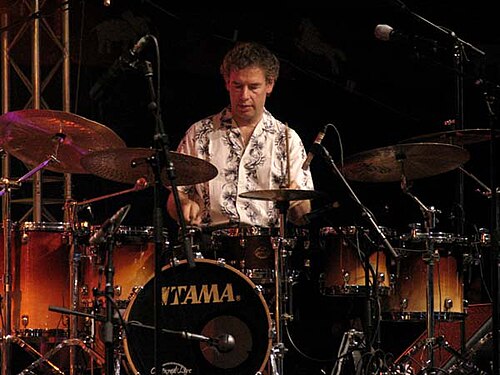 Bill Bruford
b. 1949 · English drummer
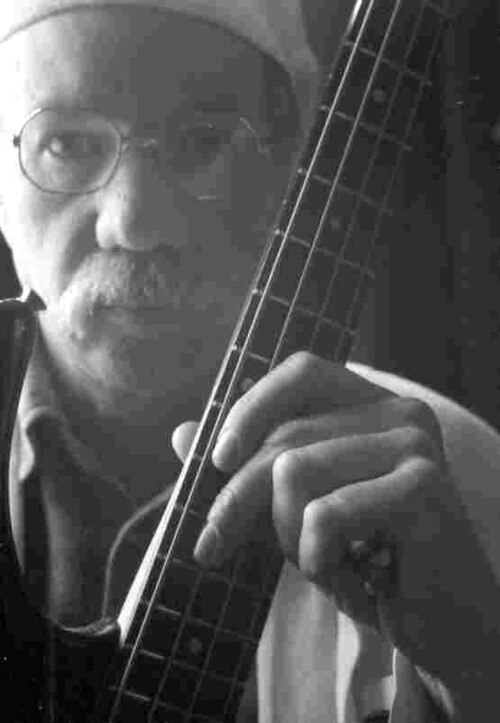 Hugh Hopper
1945–2009 · English bass guitarist (1945–2009)
Mahavishnu Orchestra
1971– · American musical group; jazz fusion band
 Return to Forever
1972– · American jazz fusion group led by Chick Corea
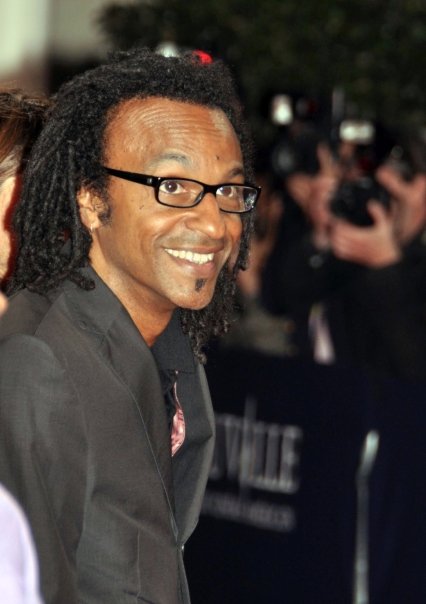 Manu Katché
b. 1958 · French drummer, studio musician, composer, singer…
 Piknik
1978– · Russian musical group
 Patrick Moraz
b. 1948 · Swiss musician
 SBB
Polish rock band
 Chester Thompson
b. 1948 · American drummer
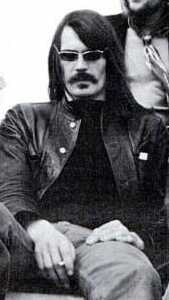 Mike Ratledge
1943–2025 · British musician
 Demetrio Stratos
1945–1979 · Greek musician and lyricist (1945–1979)
 Jonas Hellborg
b. 1958 · Swedish bassist
Henry Cow
1968– · English avant-rock group
 Aleksey Kozlov
1935–2026 · Soviet and Russian saxophonist and jazz musician (1935-2026)
 California Guitar Trio
1991– · U.S.-based guitar trio formed in 1991
National Health
1975– · band
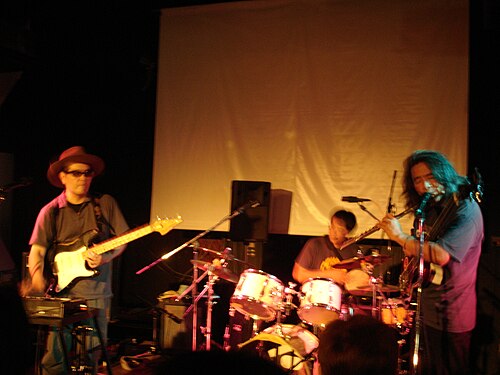 Ruins
1985– · Japanese band
Pekka Pohjola
1952–2008 · Finnish musician (1952–2008)
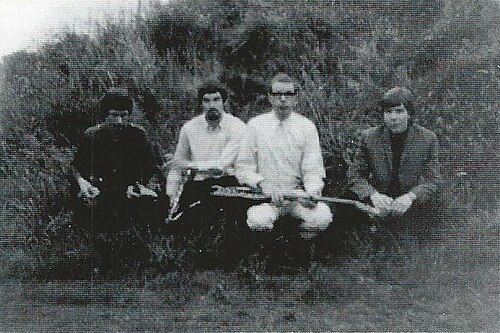 The Wilde Flowers
1963– · British rock band
 Mitchel Forman
b. 1956 · American jazz and fusion keyboard player
Jimmy Hastings
1938–2024 · British musician (1938–2024)
Pip Pyle
1950–2006 · English drummer (1950–2006)
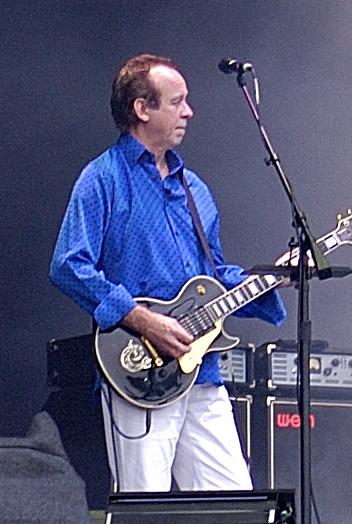 Quiet Sun
1970–1975 · English progressive rock/jazz fusion band
 Roy Babbington
b. 1940 · British bassist
Zao
1971– · French prog rock band
Alan Skidmore
b. 1942 · British saxophonist
Laurie Allan
b. 1943 · English drummer
 Torstein Lofthus
b. 1977 · Norwegian musician
Centipede
British musical group
Oleh Suk
b. 1965 · Ukrainian musician
Latest posts
- Evaluating Jazz Syncopation Sources and Rhythmic Analysis
- Instruments of Bossa Nova Essential Tools for the Sound
- Why Is Improv Important in Jazz and How It Defines the Genre
- How to Memorize Jazz Standards Efficiently
- What Is the Most Well-Known Jazz Standard and Why It Wins
- What Does the ø Symbol Mean in Jazz Theory
- Examples of Bebop Jazz and Essential Listening Tracks
- What Is a Basic Drumming Pattern Called and How It Works
- How to Ear Train Effectively for Better Musicianship
- How to Notate a Tritone Substitution in Jazz Charts