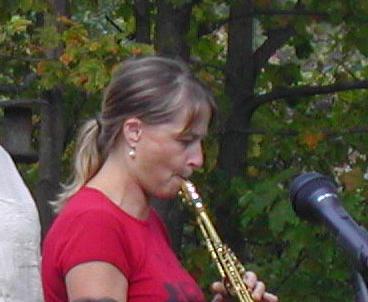
Saxophonisten · * 1956
Jane Bunnett
Kanadische Jazzflötistin und -saxophonistin
- Saxophon
- Flöte
- trompeta china
- Jazz
- Afro-kubanischer Jazz
Biografie
Jane Bunnett ist eine Jazzmusikerin (Saxophon, Flöte und trompeta china). Jane Bunnett wurde am 22. Oktober 1956 in Toronto geboren. Stilistisch wird die Musik meist Jazz und Afro-kubanischer Jazz zugeordnet. Die Diskografie umfasst hier 16 Alben, von „In Dew Time“ (1991) bis „Cuban Rhapsody“ (2011). Zu den Auszeichnungen zählen Juno Award/World Music Album of the Year (1993), Juno Award/Contemporary Jazz Album of the Year (2006) und Offizier des Ordens von Kanada.
Maryjane „Jane“ Bunnett (* 22. Oktober 1955 in Toronto, Ontario) ist eine kanadische Jazzmusikerin (Querflöte, Sopransaxophon).
Den vollständigen Artikel auf Wikipedia lesen ↗ · Aus Wikipedia, der freien Enzyklopädie (CC BY-SA 4.0)
Diskografie
Studio- und Livealben
Spielt außerdem auf
Alben, auf denen Jane Bunnett als Sideman mitwirkt
Auszeichnungen
- 1993 Juno Award/World Music Album of the Year
- 2006 Juno Award/Contemporary Jazz Album of the Year
- Offizier des Ordens von Kanada
- Honorary doctorate from Queen's University
Häufige Fragen
Welches Instrument spielt Jane Bunnett?
Jane Bunnett ist bekannt für Saxophon, Flöte und trompeta china.
Wann und wo wurde Jane Bunnett geboren?
Jane Bunnett wurde 22. Oktober 1956 in Toronto geboren.
Was sind die bekanntesten Alben von Jane Bunnett?
In unserer Datenbank finden sich unter anderem In Dew Time (1991), Live at Sweet Basil (1991), Spirits of Havana (1992), The Water is Wide (1994) und Rendez-vous Brazil/Cuba (1995).
Weblinks
- en.wikipedia.org ↗
- de.wikipedia.org ↗
- wikidata.org ↗
- musicbrainz.org ↗
- discogs.com ↗
- allmusic.com ↗
- janebunnett.com ↗
Daten aus offenen Quellen zusammengestellt; siehe Quellenangaben unten. Fehler entdeckt? Schreiben Sie uns.