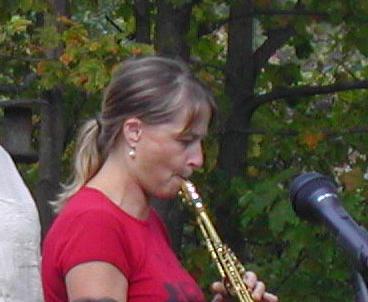
Saxophonists · b. 1956
Jane Bunnett
Canadian musician
- saxophone
- flute
- trompeta china
- jazz
- Afro-Cuban jazz
Biography
Jane Bunnett is a jazz musician who plays saxophone, flute and trompeta china. Jane Bunnett was born on 22 October 1956 in Toronto. The music is usually filed under jazz and Afro-Cuban jazz. The discography here lists 16 albums, from “In Dew Time” (1991) to “Cuban Rhapsody” (2011). Honours include Juno Award for World Music Album of the Year (1993), Juno Award for Contemporary Jazz Album of the Year (2006) and Officer of the Order of Canada.
Mary Jane Bunnett, (born October 22, 1956) is a Canadian musician and educator. A soprano saxophonist, flautist and bandleader, she is especially known for performing Afro-Cuban jazz. She travels regularly to Cuba to perform with Cuban musicians.
Read the full article on Wikipedia ↗ · From Wikipedia, the free encyclopedia (CC BY-SA 4.0)
Discography
Studio and live albums
Also plays on
Albums where Jane Bunnett is credited as a sideman
Awards
- 1993 Juno Award for World Music Album of the Year
- 2006 Juno Award for Contemporary Jazz Album of the Year
- Officer of the Order of Canada
- Honorary doctorate from Queen's University
Frequently asked questions
What instrument does Jane Bunnett play?
Jane Bunnett is known for playing saxophone, flute and trompeta china.
When and where was Jane Bunnett born?
Jane Bunnett was born 22 October 1956 in Toronto.
What are Jane Bunnett's best-known albums?
Albums in our database include In Dew Time (1991), Live at Sweet Basil (1991), Spirits of Havana (1992), The Water is Wide (1994) and Rendez-vous Brazil/Cuba (1995).
External links
- en.wikipedia.org ↗
- de.wikipedia.org ↗
- wikidata.org ↗
- musicbrainz.org ↗
- discogs.com ↗
- allmusic.com ↗
- janebunnett.com ↗
Data compiled from open sources; see the source links below. Spotted an error? Let us know.