Afro-Cuban jazz
Afro-Cuban jazz: what it is, how it sounds and 18 musicians associated with it.
Afro-Cuban jazz is the earliest form of Latin jazz. It mixes Afro-Cuban clave-based rhythms with jazz harmonies and techniques of improvisation. Afro-Cuban music has deep roots in African ritual and rhythm. The genre emerged in the early 1940s with the Cuban musicians Mario Bauzá and Frank Grillo "Machito" in the band Machito and his Afro-Cubans in New York City. In 1947, the collaborations of bebop trumpeter Dizzy Gillespie and percussionist Chano Pozo brought Afro-Cuban rhythms and instruments, such as the tumbadora and the bongo, into the East Coast jazz scene. Early combinations of jazz with Cuban music, such as "Manteca" and "Mangó Mangüé", were commonly referred to as "Cubop" for Cuban bebop. During its first decades, the Afro-Cuban jazz movement was stronger in the United States than in Cuba.
Read the full article on Wikipedia ↗ · From Wikipedia, the free encyclopedia (CC BY-SA 4.0)
Afro-Cuban jazz musicians
 Dizzy Gillespie
1917–1993 · American jazz trumpeter (1917–1993)
 Chucho Valdés
b. 1941 · Cuban musician
 Richard Bona
b. 1967 · Cameroon-born American musician, multi-instrumentalist and…
 Sam Rivers
1923–2011 · American jazz musician and composer (1923-2011)
 Sonny Fortune
1939–2018 · American saxophonist (1939–2018)
 Orchestra Baobab
1970– · Senegalese music band
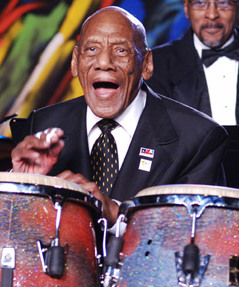 Cándido Camero
1921–2020 · Cuban percussionist (1921-2020)
 Steve Turre
b. 1948 · American jazz trombonist
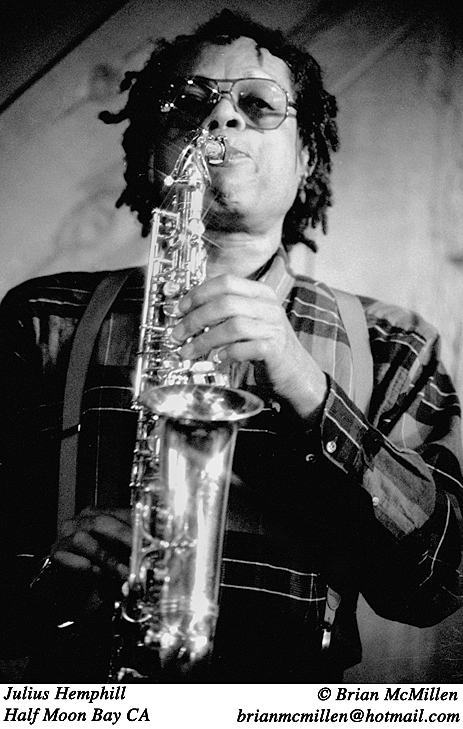 Julius Hemphill
1938–1995 · American saxophonist (1938-1995)
 Jane Bunnett
b. 1956 · Canadian musician
 Hamiet Bluiett
1940–2018 · American jazz saxophonist, clarinetist, and composer…
 Larry Willis
1942–2019 · American jazz pianist and composer (1942–2019)
 Jack Costanzo
1919–2018 · American musician (1919–2018)
 Jerry Gonzalez
1949–2018 · American musician (1949–2018)
 Alex Cuba
b. 1974 · Cuban-Canadian musician
 Mario Bauzá Cárdenas
1911–1993 · Cuban-American musician, composer, and founder of…
Britt Woodman
1920–2000 · American jazz trombonist (1920-2000)
Jerry Dodgion
1932–2023 · American musician
Latest posts
- How to Create Jazz Music A Practical Approach to Crafting
- How to Choose Jazz Scales with Practical Examples
- What Is a Jazz Lead Sheet and How Do Musicians Use It
- Evaluating Jazz Syncopation Sources and Rhythmic Analysis
- Instruments of Bossa Nova Essential Tools for the Sound
- Why Is Improv Important in Jazz and How It Defines the Genre
- How to Memorize Jazz Standards Efficiently
- What Is the Most Well-Known Jazz Standard and Why It Wins
- What Does the ø Symbol Mean in Jazz Theory
- Examples of Bebop Jazz and Essential Listening Tracks