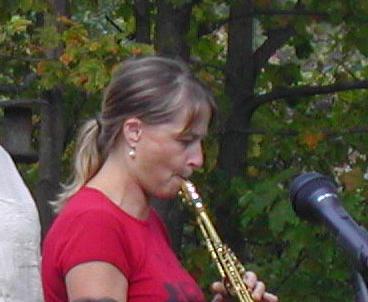
Sassofonisti · n. 1956
Jane Bunnett
Canadian musician
- sassofono
- flauto
- Corneta china
- jazz
- jazz afrocubano
Biografia
Jane Bunnett è una musicista jazz (sassofono, flauto e Corneta china). Nata il 22 ottobre 1956 a Toronto. Lo stile è di solito associato a jazz e jazz afrocubano. La discografia qui comprende 16 album, da «In Dew Time» (1991) a «Cuban Rhapsody» (2011). Tra i riconoscimenti: Juno Award for World Music Album of the Year (1993), Juno Award for Contemporary Jazz Album of the Year (2006) e ufficiale dell'Ordine del Canada.
Discografia
Album in studio e dal vivo
Suona anche in
Album in cui Jane Bunnett compare come sideman
Premi
- 1993 Juno Award for World Music Album of the Year
- 2006 Juno Award for Contemporary Jazz Album of the Year
- ufficiale dell'Ordine del Canada
- Honorary doctorate from Queen's University
Domande frequenti
Che strumento suona Jane Bunnett?
Jane Bunnett è noto per sassofono, flauto e Corneta china.
Quando e dove è nato Jane Bunnett?
Jane Bunnett è nato 22 ottobre 1956 a Toronto.
Quali sono gli album più noti di Jane Bunnett?
Nel nostro archivio ci sono, tra gli altri, In Dew Time (1991), Live at Sweet Basil (1991), Spirits of Havana (1992), The Water is Wide (1994) e Rendez-vous Brazil/Cuba (1995).
Collegamenti esterni
- en.wikipedia.org ↗
- de.wikipedia.org ↗
- wikidata.org ↗
- musicbrainz.org ↗
- discogs.com ↗
- allmusic.com ↗
- janebunnett.com ↗
Dati raccolti da fonti aperte; vedi i riferimenti qui sotto. Hai trovato un errore? Scrivici.