Creative Improvised Music Projects, usually abbreviated CIMP or C.I.M.P., is an American jazz record company and label. It is associated with Cadence magazine and Cadence Jazz Records. The label is noted for its minimal use of electronic processing and its spare microphoning technique. Bob Rusch founded CIMP in 1995, with his son Marc Rusch as the recording engineer and his daughter Kara Rusch producing cover art. The label recorded its first session in 1995 for an album that featured Evan Parker, Barry Guy, Paul Lytton, and Joe McPhee. From the beginning, it has concentrated on avant-garde jazz. Its catalogue includes Marshall Allen, Herb Robertson, Paul Smoker, Glenn Spearman, and Steve Swell. Most of its releases are recorded in its own studio in Rossie, New York. Eighteen compilations of music released on the label have been released, titled the Cimposium series.
Read the full article on Wikipedia ↗ · From Wikipedia, the free encyclopedia (CC BY-SA 4.0)
Artists on CIMP
 Peter Brötzmann
1941–2023 · German jazz saxophonist and clarinetist (1941–2023)
 Andrew Cyrille
b. 1939 · American avant-garde jazz drummer
 Arthur Blythe
1940–2017 · American musician (1940–2017)
 Billy Bang
1947–2011 · American musician (1947–2011)
 Phil Wachsmann
b. 1944 · Ugandan musician
 Ray Anderson
b. 1952 · American jazz trombonist
 Peter Kowald
1944–2002 · German free jazz double bassist and tubist (1944–2002)
 Vinny Golia
b. 1946 · American musician
 Andrew White
1942–2020 · American musician (1942-2020)
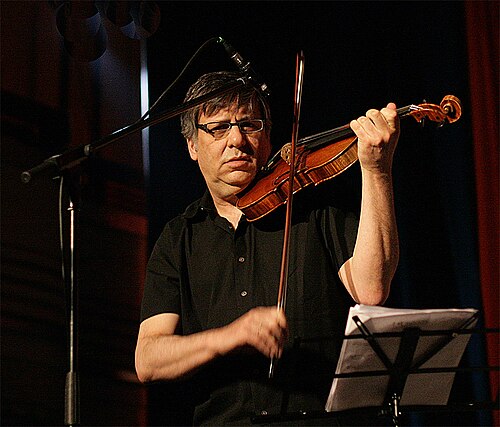 Mark Feldman
b. 1955 · American violinist
 Burton Greene
1937–2021 · American musician (1937-2021)
 Paul Lytton
b. 1947 · British musician
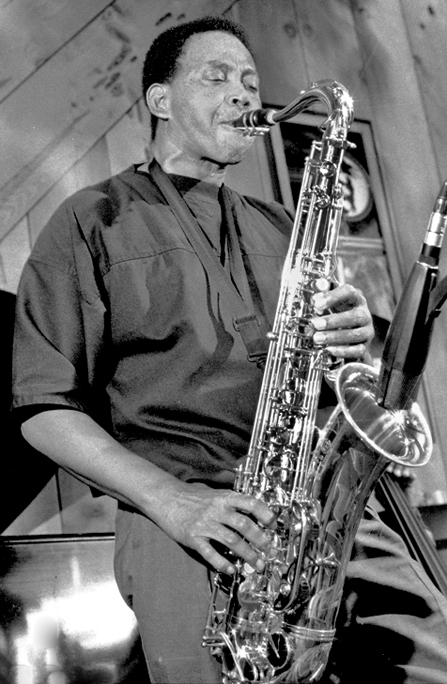 Odean Pope
b. 1938 · American jazz saxophonist
 Bobby Few
1935–2021 · American jazz musician (1935-2021)
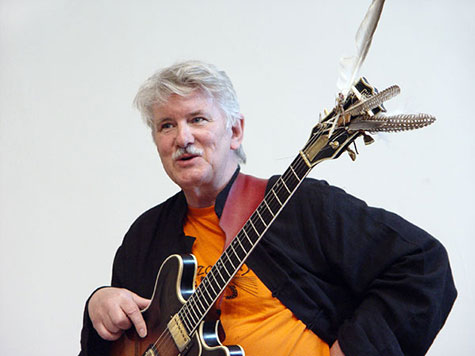 Pierre Dørge
b. 1946 · Danish avant-garde jazz guitarist, bandleader and composer
 George Garzone
b. 1950 · American musician (born 1950)
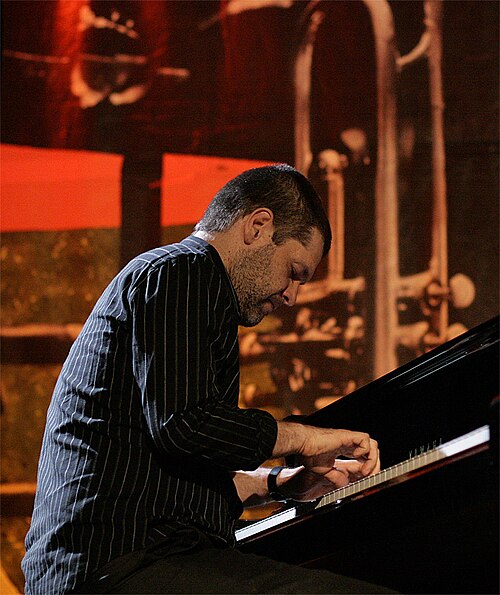 Lucian Ban
b. 1969 · Romanian musician
Byard Lancaster
1942–2012 · American jazz musician (1942–2012)
 Jean Derome
b. 1955 · Canadian musician
 Casey Benjamin
1978–2024 · American musician (1978–2024)
 George Schuller
b. 1958 · American drummer
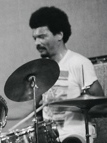 Rashid Bakr
b. 1943 · American free jazz drummer
Brian Smith
b. 1939 · jazz saxophonist and flautist from New Zealand
Art Baron
b. 1950 · American musician
Label profile
CIMP is dedicated to documenting a broad range of creative improvised music.
CIMP stands for Creative Improvised Music Projects.
Profile from Discogs (CC0)
Albums on CIMP
Latest posts
- Evaluating Jazz Syncopation Sources and Rhythmic Analysis
- Instruments of Bossa Nova Essential Tools for the Sound
- Why Is Improv Important in Jazz and How It Defines the Genre
- How to Memorize Jazz Standards Efficiently
- What Is the Most Well-Known Jazz Standard and Why It Wins
- What Does the ø Symbol Mean in Jazz Theory
- Examples of Bebop Jazz and Essential Listening Tracks
- What Is a Basic Drumming Pattern Called and How It Works
- How to Ear Train Effectively for Better Musicianship
- How to Notate a Tritone Substitution in Jazz Charts