Jazz musicians: P
Biographies, instruments and discographies of 174 jazz musicians and groups.
 Paal Nilssen-Love
b. 1974 · Norwegian jazz drummer
 Pacifico
b. 1964 · Italian singer-songwriter and jazz musician
 Paco de Lucía
1947–2014 · Spanish flamenco, classical, jazz guitarist & musician…
Page Cavanaugh
1922–2008 · American musician (1922–2008)
 Page Hamilton
b. 1960 · American singer and guitarist (born 1960)
 Palle Danielsson
1946–2024 · Swedish jazz musician; double bassist and composer…
 Palle Mikkelborg
b. 1941 · Danish musician
 Paloma Faith
b. 1981 · British singer
 Paolo Conte
b. 1937 · Italian recording artist; musician
 Paolo Fresu
b. 1961 · Italian jazz trumpeter, flugelhorn player and composer…
 Paolo Vinaccia
1954–2019 · Italian-Norwegian jazz musician, percussionist
 Papa Celestin
1884–1954 · American jazz bandleader, trumpeter, cornetist and…
 Papa Jack Laine
1873–1966 · American musician (1873-1966)
 Paquito D'Rivera
b. 1948 · Cuban musician
 Parov Stelar
b. 1974 · Austrian musician, producer and DJ
 Pascal Schumacher
b. 1979 · jazz musician
 Passport
1971– · German jazz ensemble
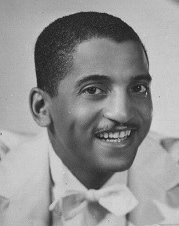 Pat Flowers
1917–2000 · American musician (1917-2000)
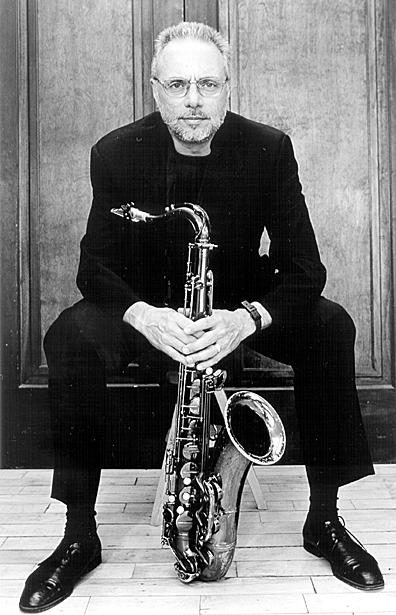 Pat LaBarbera
b. 1944 · American-born Canadian jazz musician
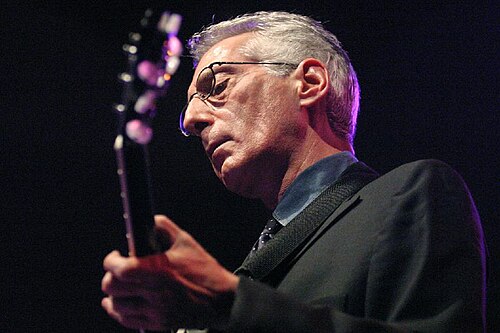 Pat Martino
1944–2021 · American jazz guitarist and composer (1944–2021)
 Pat Metheny
b. 1954 · American jazz musician
 Pat Metheny Group
1977– · American jazz fusion group
 Patrice Rushen
b. 1954 · American jazz pianist and R&B singer
 Patricia Barber
b. 1956 · American composer, jazz singer and pianist as well as…
 Patrick Moraz
b. 1948 · Swiss musician
 Patrick Scales
b. 1965 · German musician
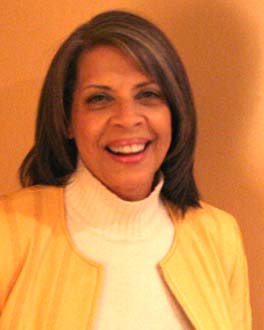 Patti Austin
b. 1950 · American singer
Patti Bown
1931–2008 · American musician (1931–2008)
Patti Wicks
1945–2014 · American musician and pianist
Patty Waters
1946–2024 · American jazz musician (1946–2024)
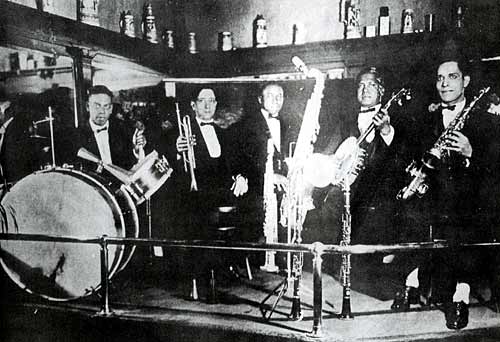 Paul Barbarin
1899–1969 · American musician (1899–1969)
 Paul Barrere
1948–2019 · American musician (1948-2019)
 Paul Bley
1932–2016 · Canadian free jazz, post-bop pianist and keyboardist…
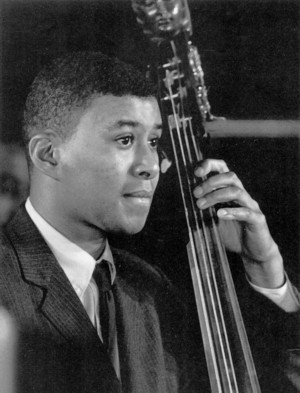 Paul Chambers
1935–1969 · American jazz double bassist (1935–1969)
 Paul Desmond
1924–1977 · American jazz musician (1924-1977)
 Paul Gonsalves
1920–1974 · American jazz tenor saxophonist (1920–1974)
Paul Horn
1930–2014 · American flautist in jazz and New Age music (1930-2014)
Paul Humphrey
1935–2014 · American musician (1935–2014)
Paul Jackson
1947–2021 · American musician (1947–2021)
 Paul Jackson, Jr.
b. 1959 · American musician
 Paul Jeffrey
1933–2015 · American musician (1933–2015)
 Paul Lovens
b. 1949 · German musician
 Paul Lytton
b. 1947 · British musician
 Paul McCandless
b. 1947 · American musician
 Paul Motian
1931–2011 · American jazz drummer, percussionist, and composer…
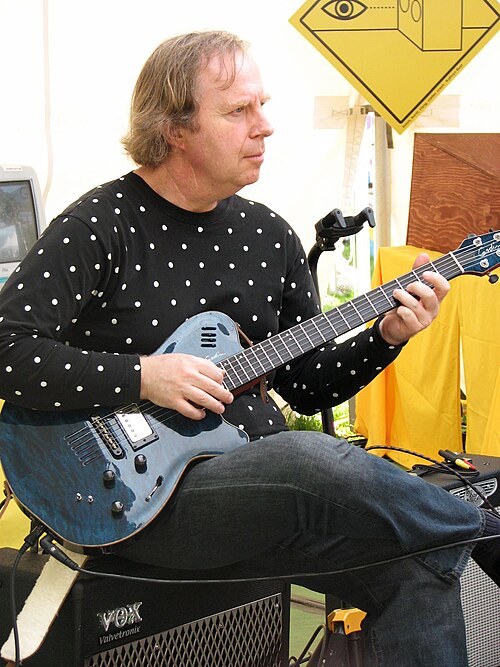 Paul Plimley
1953–2022 · Canadian musician (1953–2022)
Paul Quinichette
1916–1983 · American saxophonist and jazz musician (1916-1983)
 Paul Rutherford
1940–2007 · English free improvising trombonist
 Paul Shapiro
b. 1956 · American musician; jazz, world, and klezmer saxophonist…
Paul Smith
1922–2013 · jazz pianist from the United States
Paul Tanner
1917–2013 · American trombonist (1917–2013)
 Paul Turner
b. 1968 · English bass guitarist
Paul Wertico
b. 1953 · American drummer
 Paul Whiteman
1890–1967 · American jazz musician and popular bandleader (1890–1967)
 Paul Winter
b. 1939 · American saxophonist
 Paula Morelenbaum
b. 1962 · Brazilian singer focussing on bossa nova and latin jazz
 Paulinho da Costa
b. 1948 · Brazilian musician
 Paulinho Nogueira
1929–2003 · Brazilian musician (1929–2003)
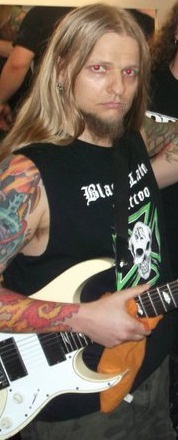 Paulo Schroeber
1973–2014 · Brazilian guitarist (1973–2014)
 Paweł Mąciwoda
b. 1967 · Polish bassist
Peanuts Holland
1910–1979 · American musician (1910-1979)
 Peanuts Hucko
1918–2003 · American jazz musician (1918-2003)
 Pedro Abrunhosa
b. 1960 · Portuguese musician
 Pedro Iturralde
1929–2020 · Spanish musician (1929–2020)
 Pedro Javier González
b. 1962 · guitarist
 Pee Wee Russell
1906–1969 · American musician (1906–1969)
Peggy Gilbert
1905–2007 · American musician (1905–2007)
 Peggy Lee
1920–2002 · American singer (1920–2002)
 Pekka Kuusisto
b. 1976 · Finnish violinist, jazz musician and composer (born 1976)
Pekka Pohjola
1952–2008 · Finnish musician (1952–2008)
Penguin Cafe Orchestra
1972– · band
 Pentangle
1968– · British folk rock band
 Pepper Adams
1930–1986 · American saxophonist (1930-1986)
 Per Aage Brandt
1944–2021 · Danish writer and linguist
 Per Asplin
1928–1996 · Norwegian actor and musician (1928–1996)
 Per Husby
b. 1949 · Norwegian musician
 Per Jørgensen
b. 1952 · Norwegian jazz musician
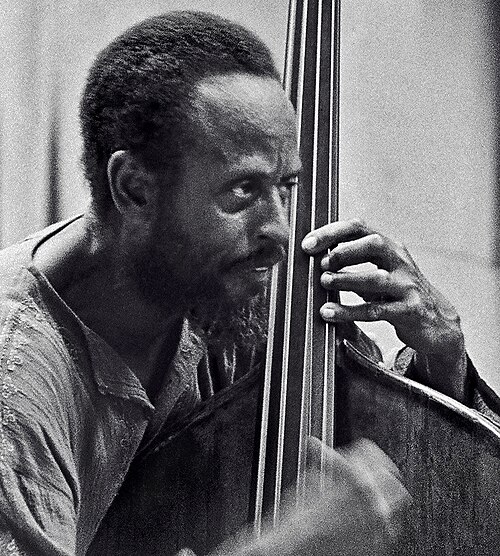 Percy Heath
1923–2005 · American musician (1923–2005)
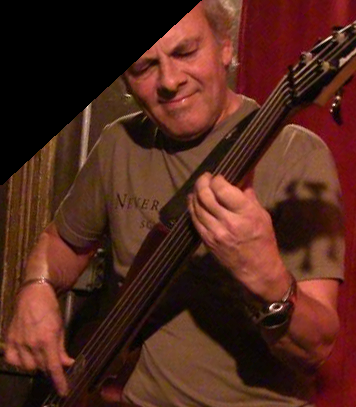 Percy Jones
b. 1947 · Welsh musician
 Perico Sambeat
b. 1962 · Spanish jazz saxophonist
 Perry Como
1912–2001 · American singer, actor, television personality (1912-2001)
 Perry Robinson
1938–2018 · American musician (1938–2018)
Pery Ribeiro
1937–2012 · Brazilian singer, songwriter (1937–2012)
 Pete Brown
1906–1963 · American musician (1906–1963)
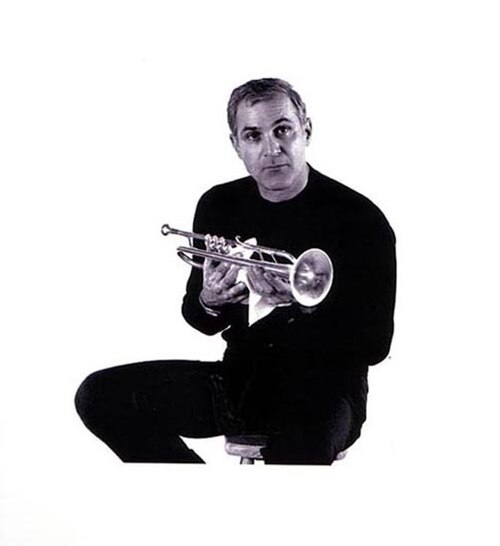 Pete Candoli
1923–2008 · American jazz trumpeter (1923-2008)
 Pete Christlieb
b. 1945 · American musician
Pete Cosey
1943–2012 · American guitarist (1943–2012)
 Pete Escovedo
b. 1935 · Mexican-American jazz musician and percussionist
 Pete Fountain
1930–2016 · American clarinetist (1930–2016)
 Pete Johnson
1904–1967 · American boogie-woogie and jazz pianist (1904–1967)
Pete Jolly
1932–2001 · American musician (1932–2004)
Pete La Roca
1938–2012 · American drummer (1938–2012)
 Pete Levin
b. 1942 · American jazz musician
 Pete Rugolo
1915–2011 · American jazz composer, arranger, and record producer…
 Peter Appleyard
1928–2013 · Canadian vibraphonist (1928–2013)
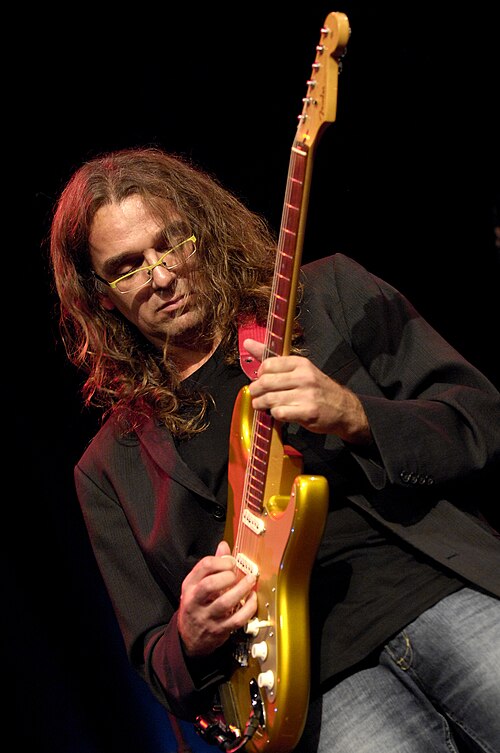 Peter Autschbach
b. 1961 · German guitarist and music educator
 Peter Bernstein
b. 1967 · American musician
 Peter Brötzmann
1941–2023 · German jazz saxophonist and clarinetist (1941–2023)
 Peter DeRose
1900–1953 · American composer of jazz and pop music (1900–1953)
 Peter Erskine
b. 1954 · American musician
Peter Giger
1939–2026 · percussionist and bandleader
 Peter Herbolzheimer
1935–2010 · German musician (1935-2010)
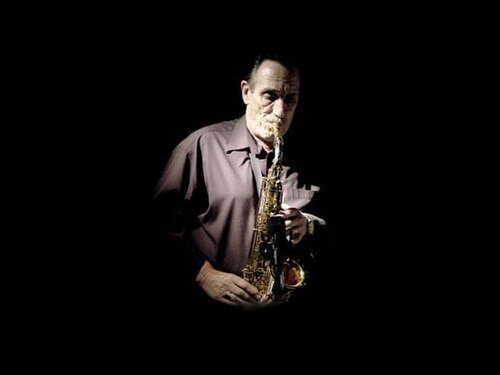 Peter King
1940–2020 · British musician (1940–2020)
 Peter Kowald
1944–2002 · German free jazz double bassist and tubist (1944–2002)
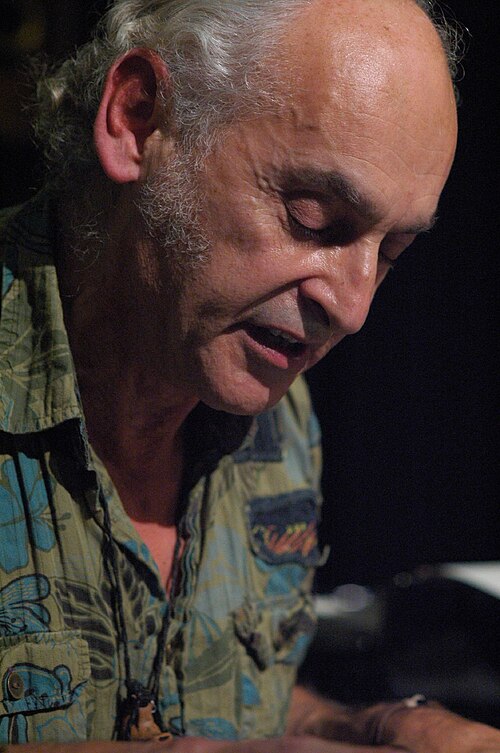 Peter Lemer
b. 1942 · British musician
 Peter Lipa
b. 1943 · Slovak composer, manager, presenter and singer
 Peter Madsen
b. 1955 · American musician
 Peter O'Mara
b. 1957 · Australian musician
Peter Opsvik
1939–2024 · furniture designer
 Peter Schilperoort
1919–1990 · Dutch musician (1919–1990)
 Peter Washington
b. 1964 · American bassist
 Peter White
b. 1954 · English musician
 Peter Wolf
b. 1952 · Austrian producer and songwriter
 Petr Skoumal
1938–2014 · Czech musician and composer (1938-2014)
 Petter Wettre
b. 1967 · Norwegian musician
Pha Terrell
1910–1945 · American singer (1910–1945)
 Pharoah Sanders
1940–2022 · American jazz saxophonist (1940–2022)
 Pheeroan akLaff
b. 1955 · American jazz drummer
Phil Cohran
1927–2017 · American trumpeter (1927–2017)
 Phil Collins
b. 1951 · English drummer, singer, and songwriter (born 1951)
 Phil Harris
1904–1995 · American actor, singer and comedian (1904–1995)
Phil Howard
b. 1953 · Australian musician
Phil Lee
1943–2024 · British guitarist
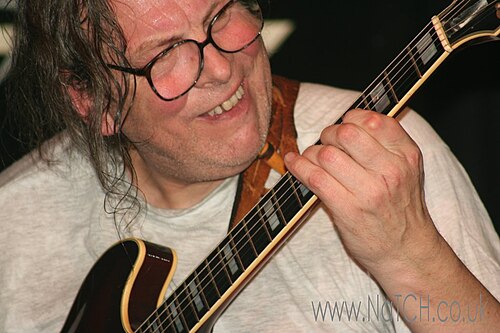 Phil Miller
1949–2017 · English progressive rock/jazz guitarist (1949–2017)
 Phil Minton
b. 1940 · British jazz/free-improvising vocalist and trumpeter (born…
 Phil Moore
1918–1987 · American musician (1918-1987)
 Phil Napoleon
1901–1990 · American jazz musician (1901–1990)
Phil Nimmons
1923–2024 · Canadian jazz musician (1923–2024)
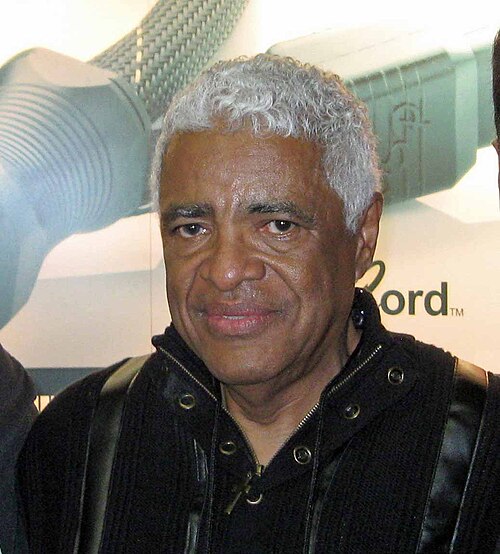 Phil Upchurch
1941–2025 · American jazz and R&B guitarist and bassist
Phil Urso
1925–2008 · American jazz saxophonist (1925–2008)
 Phil Wachsmann
b. 1944 · Ugandan musician
 Phil Woods
1931–2015 · American jazz alto saxophonist, clarinetist, bandleader…
Philip Aaberg
1949–2026 · pianist
 Philip Bailey
b. 1951 · American R&B, soul, gospel and funk singer, songwriter…
 Philip Catherine
b. 1942 · British-Belgian jazz rock guitarist
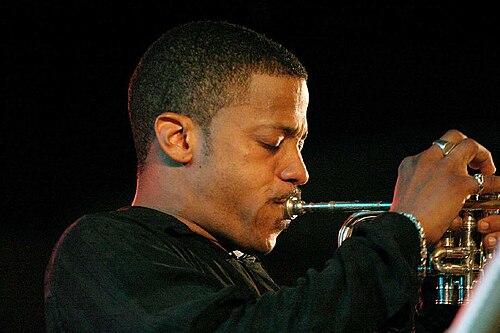 Philip Harper
b. 1965 · American musician
 Philippe Aerts
b. 1964 · Jazz double bassist
 Philippe Saisse
b. 1957 · French musician
 Philly Joe Jones
1923–1985 · American jazz drummer (1923–1985)
Phineas Newborn Jr.
1931–1989 · American jazz pianist (1931–1989)
 Phyllis Hyman
1949–1995 · American rhythm-and-blues singer (1949–1995)
 Piero Piccioni
1921–2004 · Italian lawyer and film composer (1921–2004)
Pierre Bensusan
b. 1957 · French musician
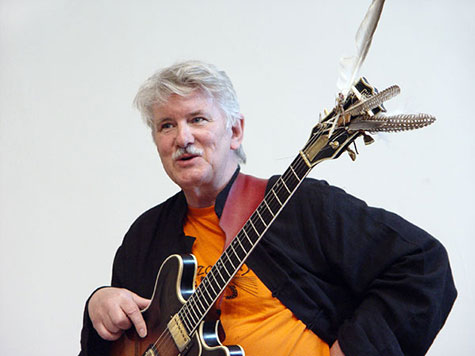 Pierre Dørge
b. 1946 · Danish avant-garde jazz guitarist, bandleader and composer
 Pierre Favre
b. 1937 · Swiss jazz drummer and percussionist
Pierre Michelot
1928–2005 · French jazz double bassist (1928–2005)
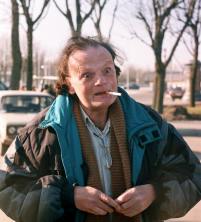 Pierre Moerlen
1952–2005 · French musician (1952-2005)
 Pierre van der Linden
b. 1946 · Dutch musician
Pierre Van Dormael
1952–2008 · Belgian musician (1952-2008)
 Piknik
1978– · Russian musical group
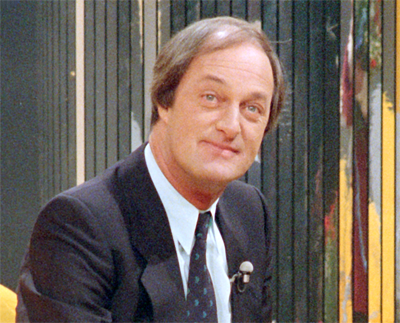 Pim Jacobs
1934–1996 · Dutch musician (1934-1996)
 Pink Freud
Polish musical group
 Pink Martini
1994– · American pop, jazz and lounge music band
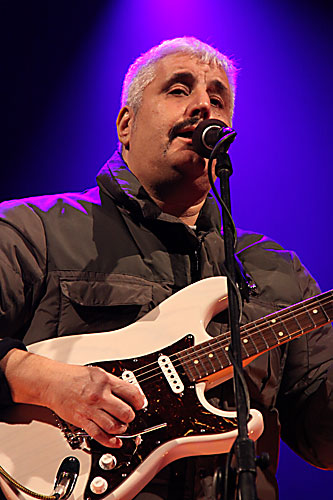 Pino Daniele
1955–2015 · Italian singer-songwriter and guitarist (1955-2015)
 Pino Palladino
b. 1957 · Welsh bassist
 Pino Presti
1943–2026 · Italian conductor, arranger, bassist, composer and record…
 Pino Rucher
1924–1996 · Italian musician
 Piotr Orzechowski
b. 1990 · Jazz pianist
Pip Pyle
1950–2006 · English drummer (1950–2006)
 Pippo Barzizza
1902–1994 · Italian composer, arranger, conductor, and music director…
Plas Johnson
1931–2026 · American musician
 Playing for Change
2002– · world music movement and multimedia project
 Pomplamoose
2008– · American group
 Poncho Sanchez
b. 1951 · American musician
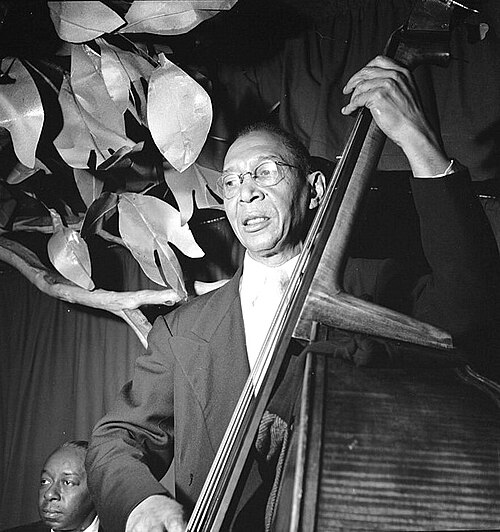 Pops Foster
1892–1969 · American musician (1892–1969)
 Portico Quartet
2005– · British musical group
 Postmodern Jukebox
2011– · American music band
 Preston Reed
b. 1955 · American musician
 Presuntos Implicados
1983– · Spanish pop band from Valencia
 Prime Minister
1997–2023 · Russian all-male pop band
 Prince Lasha
1929–2008 · American jazz musician (1929–2008)
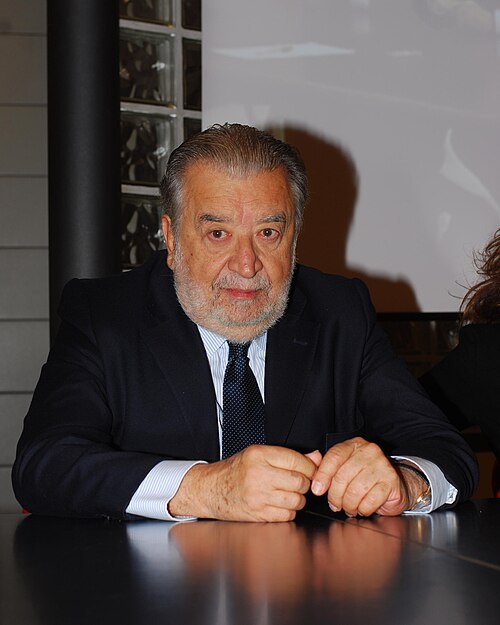 Pupi Avati
b. 1938 · Italian film director, producer, and screenwriter
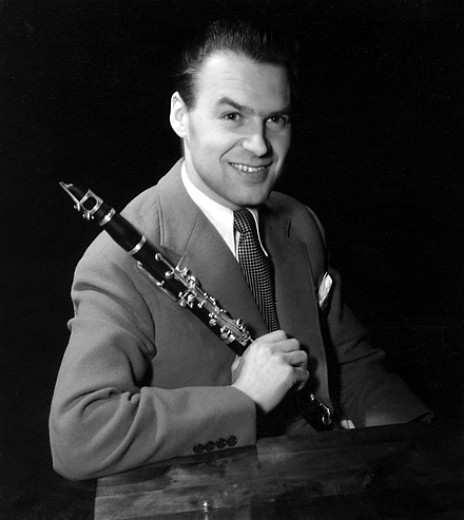 Putte Wickman
1924–2006 · Swedish jazz musician (1924–2006)
 Putter Smith
b. 1941 · American jazz bassist, recording artist, music teacher…
Latest posts
- How to Improve Saxophone Skills Through Targeted Practice
- The 80/20 Rule in Piano Practice for Faster Results
- How to Create Jazz Music A Practical Approach to Crafting
- How to Choose Jazz Scales with Practical Examples
- What Is a Jazz Lead Sheet and How Do Musicians Use It
- Evaluating Jazz Syncopation Sources and Rhythmic Analysis
- Instruments of Bossa Nova Essential Tools for the Sound
- Why Is Improv Important in Jazz and How It Defines the Genre
- How to Memorize Jazz Standards Efficiently
- What Is the Most Well-Known Jazz Standard and Why It Wins