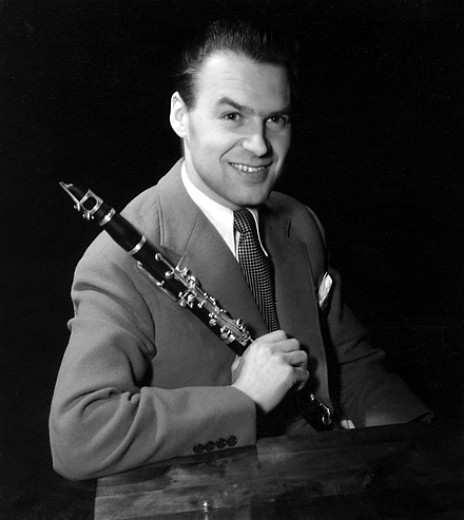
- Born
- 10 September 1924
Falun - Died
- 14 February 2006
Grycksbo - Country
- Sweden
- Active
- 1944–
- Discography
- 6 albums
Biography
Putte Wickman was a jazz musician who played clarinet. Putte Wickman was born on 10 September 1924 in Falun and died on 14 February 2006 in Grycksbo. The music is usually filed under jazz. The discography here lists 6 albums, from “Putte Wickman & Sivuca” (1982) to “An Intimate Salute to Frankie” (2005). Honours include Gyllene Skivan (1973) and Litteris et Artibus (2005).
Hans Olof "Putte" Wickman (10 September 1924 – 14 February 2006) was a Swedish jazz clarinetist.
Read the full article on Wikipedia ↗ · From Wikipedia, the free encyclopedia (CC BY-SA 4.0)
Discography
Studio and live albums
Also plays on
Albums where Putte Wickman is credited as a sideman
Awards
- 1973 Gyllene Skivan
- 2005 Litteris et Artibus
Historic 78 rpm records
- Serenade in blue Johann Adolfssons Sextet · Putte Wickman · Göta Theselius · Johan… archive.org ↗
Listen on Spotify
Frequently asked questions
What instrument did Putte Wickman play?
Putte Wickman is known for playing clarinet.
When and where was Putte Wickman born?
Putte Wickman was born 10 September 1924 in Falun.
What are Putte Wickman's best-known albums?
Albums in our database include Putte Wickman & Sivuca (1982), Stockholm '81 (1983), Django D'or (1999), We Will Always Be Together (2004) and Desire - Mr Clarinet.
External links
Data compiled from open sources; see the source links below. Spotted an error? Let us know.