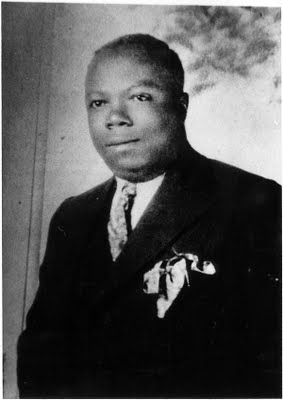
- Born
- 13 November 1894
Kansas City - Died
- 2 April 1935
Kansas City - Country
- United States
- Record labels
- Victor Talking Machine Company
Biography
Bennie Moten was a jazz musician who played piano. Bennie Moten was born on 13 November 1894 in Kansas City and died on 2 April 1935 in Kansas City. The music is usually filed under jazz. Record labels: Victor Talking Machine Company. Honours include Kansas Music Hall of Fame (2021).
Benjamin Moten (November 13, 1893 – April 2, 1935) was an American jazz pianist and band leader born and raised in Kansas City, Missouri, United States. He led his Kansas City Orchestra, the most important of the regional, blues-based orchestras active in the Midwest in the 1920s, and helped to develop the riffing style that would come to define many of the 1930s big bands. The jazz standard "Moten Swing" bears his name.
Read the full article on Wikipedia ↗ · From Wikipedia, the free encyclopedia (CC BY-SA 4.0)
Also plays on
Albums where Bennie Moten is credited as a sideman
| 1955 | Horn O'Plenty — Charlie Shavers |
| 2002 | Kansas City Powerhouse — Count Basie |
Awards
Frequently asked questions
What instrument did Bennie Moten play?
Bennie Moten is known for playing piano.
When and where was Bennie Moten born?
Bennie Moten was born 13 November 1894 in Kansas City.
External links
Data compiled from open sources; see the source links below. Spotted an error? Let us know.