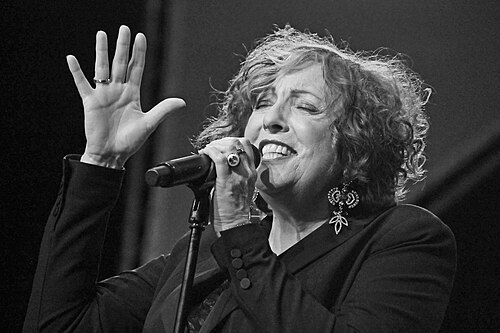
- Born
- 17 January 1954
Mount Vernon - Country
- United States
- Active
- 1975–
- Record labels
- Columbia Records
- Discography
- 12 albums
Biography
Cheryl Bentyne is a jazz musician who plays voice. Cheryl Bentyne was born on 17 January 1954 in Mount Vernon. The music is usually filed under jazz, bebop and vocal jazz. Record labels: Columbia Records. The discography here lists 12 albums, from “Something Cool” (1992) to “ReArrangements Of Shadows (The Music Of Stephen Sondheim)” (2017).
Cheryl Bentyne (born Cheryl Benthien; January 17, 1954) is an American jazz singer who spent much of her career with the vocal group the Manhattan Transfer.
Read the full article on Wikipedia ↗ · From Wikipedia, the free encyclopedia (CC BY-SA 4.0)
Discography
Studio and live albums
Also plays on
Albums where Cheryl Bentyne is credited as a sideman
Member of

Listen on Spotify
Frequently asked questions
What instrument does Cheryl Bentyne play?
Cheryl Bentyne is known for playing voice.
When and where was Cheryl Bentyne born?
Cheryl Bentyne was born 17 January 1954 in Mount Vernon.
What are Cheryl Bentyne's best-known albums?
Albums in our database include Something Cool (1992), Among Friends (2003), Moonlight Serenade (2004), Talk of the Town (2004) and The Lights Still Burn (2004).
External links
- en.wikipedia.org ↗
- de.wikipedia.org ↗
- it.wikipedia.org ↗
- wikidata.org ↗
- musicbrainz.org ↗
- discogs.com ↗
- allmusic.com ↗
Data compiled from open sources; see the source links below. Spotted an error? Let us know.