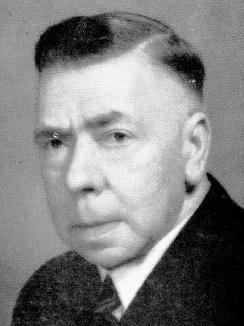
- Born
- 25 February 1919
Brooklyn - Died
- 7 September 2013
Santa Monica - Country
- United States
- Discography
- 3 albums
Biography
Fred Katz was a jazz musician who played cello. Fred Katz was born on 25 February 1919 in Brooklyn and died on 7 September 2013 in Santa Monica. The music is usually filed under jazz. The discography here lists 3 albums, from “Folk Songs for Far Out Folk” (1959) to “The Little Shop of Horrors: Original Motion Picture Soundtrack” (1984).
Frederick Katz (February 25, 1919 – September 7, 2013) was an American cellist and composer. He was among the earliest jazz musicians to establish the cello as a viable improvising solo instrument. Katz has been described in CODA magazine as "the first real jazz cellist."
Read the full article on Wikipedia ↗ · From Wikipedia, the free encyclopedia (CC BY-SA 4.0)
Discography
Studio and live albums
Also plays on
Albums where Fred Katz is credited as a sideman
Listen on Spotify
Frequently asked questions
What instrument did Fred Katz play?
Fred Katz is known for playing cello.
When and where was Fred Katz born?
Fred Katz was born 25 February 1919 in Brooklyn.
What are Fred Katz's best-known albums?
Albums in our database include Folk Songs for Far Out Folk (1959), Fred Katz and His Jammers (1960) and The Little Shop of Horrors: Original Motion Picture Soundtrack (1984).
External links
- en.wikipedia.org ↗
- de.wikipedia.org ↗
- wikidata.org ↗
- musicbrainz.org ↗
- discogs.com ↗
- allmusic.com ↗
- fredkatz.com ↗
Data compiled from open sources; see the source links below. Spotted an error? Let us know.