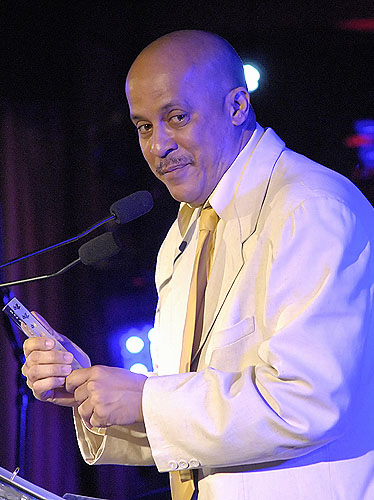
- Born
- 1953
Havana - Country
- Cuba
- Record labels
- Justin Time Records
- Discography
- 10 albums
Biography
Hilario Durán is a jazz musician who plays piano. Hilario Durán was born in 1953 in Havana. The music is usually filed under jazz. Record labels: Justin Time Records. The discography here lists 10 albums, from “Francisco's Song” (1996) to “Front Street Duets” (2022).
Hilario Durán (born 1953, Havana) is a Cuban-Canadian jazz pianist. Durán studied at Conservatorio "Amadeo Roldán" Amadeo Roldan Music Institute in Havana, studying tumbao with Evaristo Aparicio, composition and conducting from German Pifferrer, and orchestration from Guillermo Barreto. He formed a group in the 1970s called Los D'Siempre, which melded traditional Cuban elements with those of modern jazz. He joined Arturo Sandoval's band from 1981 to 1990. He also worked with Dizzy Gillespie's United Nation Orchestra and Michel Legrand. He formed a new group, Perspectiva, in 1990, and toured Central America and Europe.
Read the full article on Wikipedia ↗ · From Wikipedia, the free encyclopedia (CC BY-SA 4.0)
Discography
Studio and live albums
Also plays on
Albums where Hilario Durán is credited as a sideman
| 1985 | Gillespie & Sandoval — Dizzy Gillespie & Arturo Sandoval |
| 1987 | Tumbaito — Arturo Sandoval |
| 1991 | No Problem — Arturo Sandoval |
| 1992 | Just Music — Arturo Sandoval |
| 2000 | Ritmo + Soul — Jane Bunnett & The Spirits of Havana |
| 2001 | L.A. Meetings — Arturo Sandoval |
| 2002 | Cuban Odyssey — Jane Bunnett |
Frequently asked questions
What instrument does Hilario Durán play?
Hilario Durán is known for playing piano.
When and where was Hilario Durán born?
Hilario Durán was born 1953 in Havana.
What are Hilario Durán's best-known albums?
Albums in our database include Francisco's Song (1996), Killer Tumbao (1997), Habana Nocturna (1999), Havana Remembered (2001) and The Spirit of Cuba (2003).
External links
Data compiled from open sources; see the source links below. Spotted an error? Let us know.