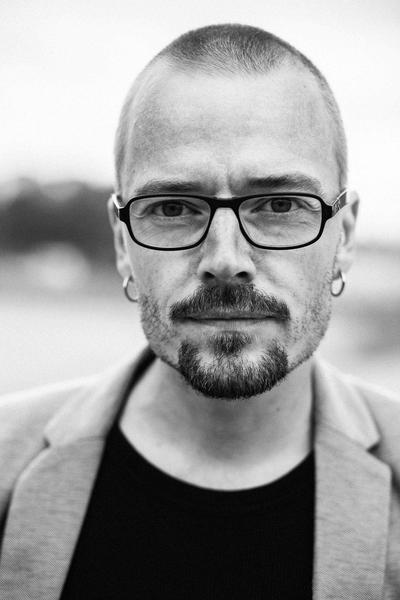
Guitarists · b. 1976
Ole Børud
Norwegian singer, songwriter, instrumentalist, record producer, and audio engineer
- Born
- 6 December 1976
Hamar Municipality - Country
- Norway
- Active
- 1981–
- Discography
- 8 albums
Biography
Ole Børud is a jazz musician who plays guitar, drum kit and bass guitar. Ole Børud was born on 6 December 1976 in Hamar Municipality. The music is usually filed under pop music, soul and funk. The discography here lists 8 albums, from “Chi-Rho” (2002) to “Sleepwalking Again” (2025).
Ole Arnold Børud (born 6 December 1976) is a Norwegian singer, songwriter, multi-instrumentalist, producer, and audio engineer. He is known both for his solo recordings and as a member of the groups Arnold B. Family, Schaliach, Extol, and Fleshkiller. Børud, son of the gospel singers Arnold Børud and Anne Marie Børud, began performing music at age five as part of Arnold B. Family, a group which would compete in the Melodi Grand Prix three times. At age twelve, he released a Christian children's music album. He later ventured into heavy metal, first in the two-man project Schaliach and then in Extol. He also briefly joined the hardcore punk band Selfmindead.
Read the full article on Wikipedia ↗ · From Wikipedia, the free encyclopedia (CC BY-SA 4.0)
Discography
Studio and live albums
Also plays on
Albums where Ole Børud is credited as a sideman
Frequently asked questions
What instrument does Ole Børud play?
Ole Børud is known for playing guitar, drum kit and bass guitar.
When and where was Ole Børud born?
Ole Børud was born 6 December 1976 in Hamar Municipality.
What are Ole Børud's best-known albums?
Albums in our database include Chi-Rho (2002), Shakin' The Ground (2008), Keep Movin (2011), Someday At Christmas (2012) and Stepping Up (2014).
External links
Data compiled from open sources; see the source links below. Spotted an error? Let us know.