smooth jazz
smooth jazz: what it is, how it sounds and 29 musicians associated with it.
Smooth jazz is a commercially oriented sub-genre style of jazz music that is influenced by R&B, funk, rock and pop music styles (separately, or in any combination). Beginning in the early-1970s, jazz fusion (aka "fusion") was a movement by some jazz musicians to merge the instrumental virtuosity and improvisation of traditional jazz, with a modern, electronic sensibility. The instrument that has become the most widely-associated with the genre is the saxophone inspired by players like Grover Washington Jr., Ronnie Laws, Wayne Shorter and Nathan Davis; plus a gentle, legato electric guitar (influenced by players like Wes Montgomery and Grant Green). Jazz fusion ensembles such as Weather Report, Spyro Gyra, Hiroshima and Bob James' Fourplay were vital to the development of the genre. Modern derivatives of the genre includes the more recent New Adult Contemporary format broadcast radio.
Read the full article on Wikipedia ↗ · From Wikipedia, the free encyclopedia (CC BY-SA 4.0)
smooth jazz musicians
 Norah Jones
b. 1979 · American musician (born 1979)
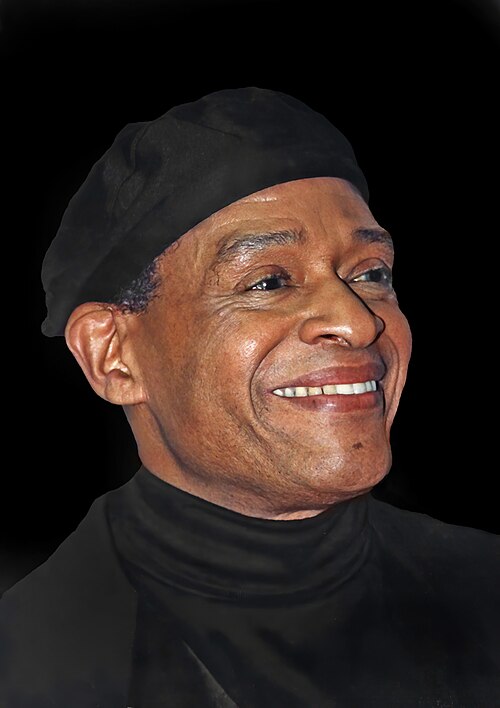 Al Jarreau
1940–2017 · American jazz and pop singer (1940–2017)
 George Benson
b. 1943 · American guitarist and singer (born 1943)
 Bobby McFerrin
b. 1950 · American jazz vocalist and composer (born 1950)
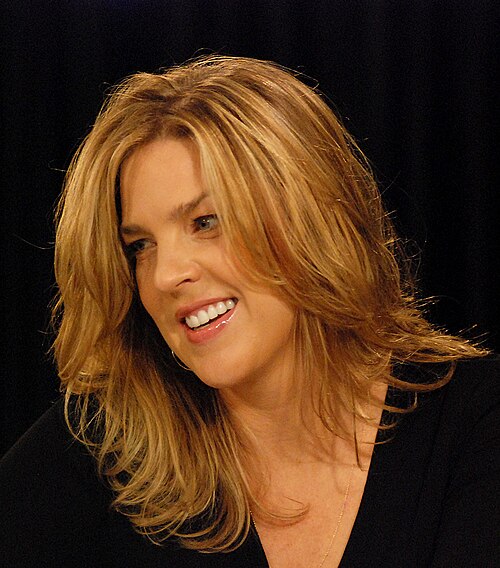 Diana Krall
b. 1964 · Canadian recording artist; jazz singer and pianist
 Kenny G
b. 1956 · American saxophonist
 Wes Montgomery
1923–1968 · American jazz guitarist (1923–1968)
 Marcus Miller
b. 1959 · American musician, composer and producer
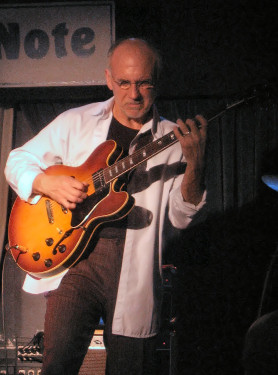 Larry Carlton
b. 1948 · American guitarist (born 1948)
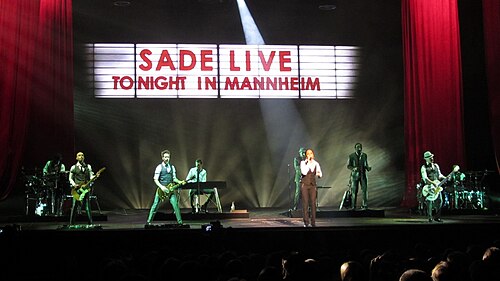 Sade
1982– · British band
 Chuck Mangione
1940–2025 · American jazz musician (1940–2025)
 Keiko Matsui
b. 1961 · Japanese jazz pianist (1961-)
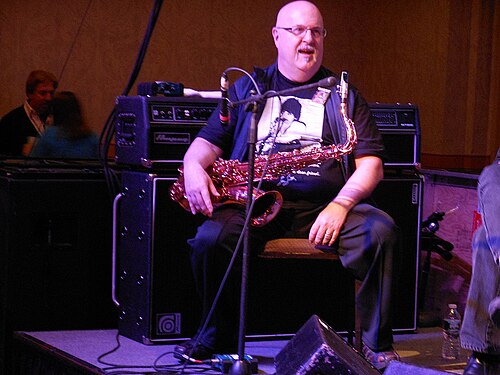 Tom Scott
b. 1948 · American jazz musician (born 1948)
 Arild Andersen
b. 1945 · Norwegian jazz musician
 Earl Klugh
b. 1954 · American acoustic guitarist and composer (born 1953)
 Spyro Gyra
1974– · American jazz band
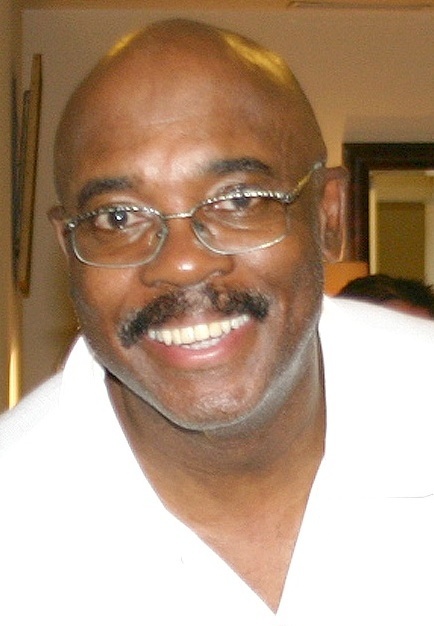 Harvey Mason
b. 1947 · American jazz drummer
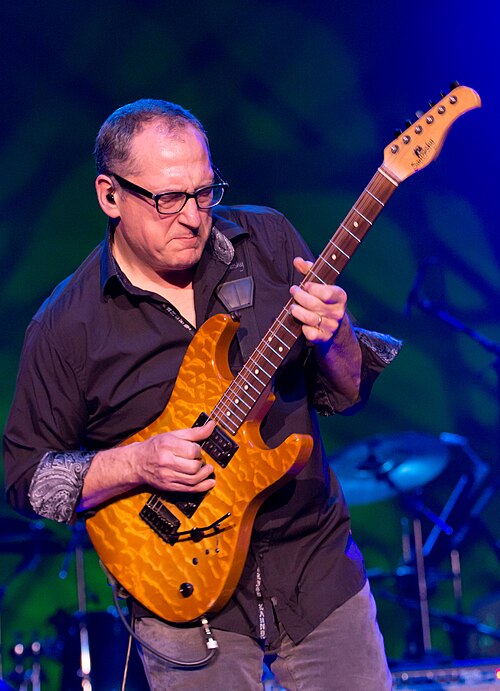 Chuck Loeb
1955–2017 · American smooth jazz guitarist and musician (1955-2017)
 Boney James
b. 1961 · American saxophonist and songwriter
 Zvuki Mu
1981– · Russian rock band
Tokyo Jihen
2004– · Japanese musical group
Ronny Jordan
1962–2014 · English guitarist (1962-2014)
Acoustic Alchemy
English jazz band
 Mike Francis
1961–2009 · Italian singer and composer (1961-2009)
Euge Groove
b. 1962 · American musical artist
 Jay Beckenstein
b. 1951 · American musician
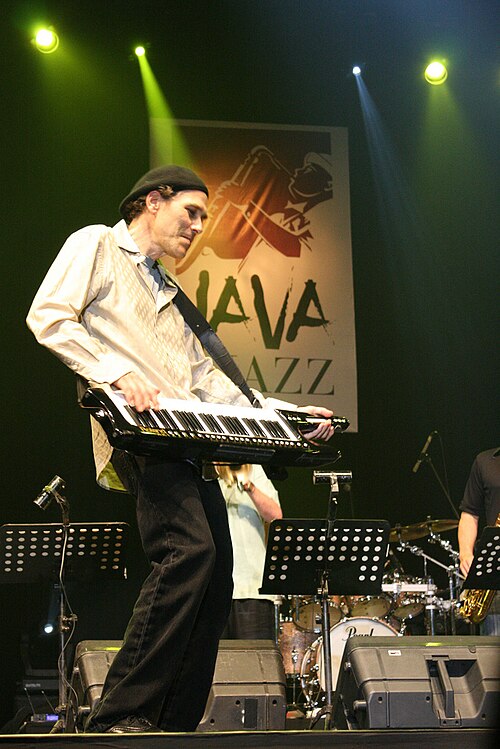 Gregg Karukas
b. 1956 · American musician
Shikao Suga
b. 1966 · Japanese singer-songwriter
 Ole Børud
b. 1976 · Norwegian singer, songwriter, instrumentalist, record…
Latest posts
- Evaluating Jazz Syncopation Sources and Rhythmic Analysis
- Instruments of Bossa Nova Essential Tools for the Sound
- Why Is Improv Important in Jazz and How It Defines the Genre
- How to Memorize Jazz Standards Efficiently
- What Is the Most Well-Known Jazz Standard and Why It Wins
- What Does the ø Symbol Mean in Jazz Theory
- Examples of Bebop Jazz and Essential Listening Tracks
- What Is a Basic Drumming Pattern Called and How It Works
- How to Ear Train Effectively for Better Musicianship
- How to Notate a Tritone Substitution in Jazz Charts