Guitarists · 1900–1994
Roy Smeck
American virtuoso guitarist, banjoist and ukulele player (1900–1994)
- Born
- 6 February 1900
Reading - Died
- 5 April 1994
New York City - Country
- United States
- Record labels
- Decca
- Discography
- 4 albums
Biography
Roy Smeck was a jazz musician who played guitar, banjo, ukulele and Jew's harp. Roy Smeck was born on 6 February 1900 in Reading and died on 5 April 1994 in New York City. The music is usually filed under jazz. Record labels: Decca. The discography here lists 4 albums, from “The Magic Ukulele of Roy Smeck” (1959) to “Wizard of the Strings” (1980).
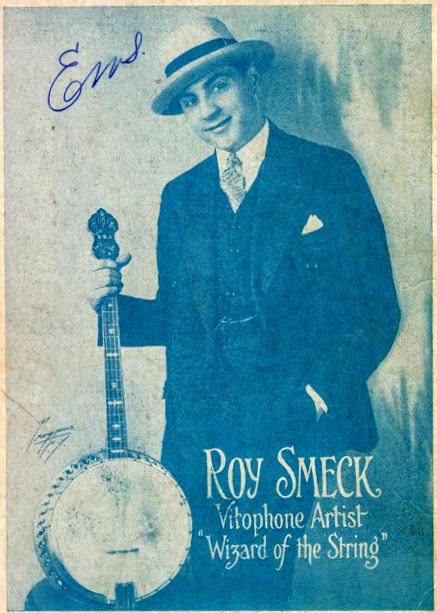
Leroy George Alfred "Roy" Smeck (6 February 1900 – 5 April 1994) was an American musician. His skill on the banjo, guitar, and ukulele earned him the nickname "The Wizard of the Strings".
Read the full article on Wikipedia ↗ · From Wikipedia, the free encyclopedia (CC BY-SA 4.0)
Discography
Studio and live albums
Frequently asked questions
What instrument did Roy Smeck play?
Roy Smeck is known for playing guitar, banjo, ukulele and Jew's harp.
When and where was Roy Smeck born?
Roy Smeck was born 6 February 1900 in Reading.
What are Roy Smeck's best-known albums?
Albums in our database include The Magic Ukulele of Roy Smeck (1959), The Haunting Hawaiian Guitar (1960), Roy Smeck His Singing Guitar And Paradise Serenaders - For Your Listening And Dancing Pleasure (1961) and Wizard of the Strings (1980).
External links
Data compiled from open sources; see the source links below. Spotted an error? Let us know.