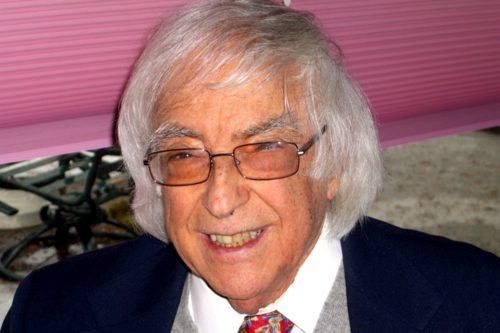
- Born
- 16 December 1930
Atlantic City - Died
- 13 June 2013
Woodland Hills - Country
- United States
- Active
- 1948–
- Record labels
- Prestige
- Discography
- 8 albums
Biography
Sam Most was a jazz musician who played saxophone, clarinet and flute. Sam Most was born on 16 December 1930 in Atlantic City and died on 13 June 2013 in Woodland Hills. The music is usually filed under jazz. Record labels: Prestige. The discography here lists 8 albums, from “Musically Yours” (1956) to “The Amazing Mr. Sam Most” (2014).
Samuel Most (December 16, 1930 – June 13, 2013) was an American jazz flutist, clarinetist and tenor saxophonist, based in Los Angeles. He was "probably the first great jazz flutist", according to jazz historian Leonard Feather.
Read the full article on Wikipedia ↗ · From Wikipedia, the free encyclopedia (CC BY-SA 4.0)
Discography
Studio and live albums
Also plays on
Albums where Sam Most is credited as a sideman
| 1956 | The Herbie Mann-Sam Most Quintet — Herbie Mann & Sam Most |
| 1958 | A Jazz Date With Chris Connor — Chris Connor |
| 1960 | On Campus! Ivy League Jazz Concert — Teddy Charles |
| 1961 | Blues Caravan — Buddy Rich |
| 1966 | Thunderbird — Louie Bellson |
| 1982 | Ins and Outs — Lalo Schifrin |
| 1985 | The Legendary Tal Farlow — Tal Farlow |
Frequently asked questions
What instrument did Sam Most play?
Sam Most is known for playing saxophone, clarinet and flute.
When and where was Sam Most born?
Sam Most was born 16 December 1930 in Atlantic City.
What are Sam Most's best-known albums?
Albums in our database include Musically Yours (1956), Plays Bird, Bud, Monk And Miles (1957), But Beautiful (1976), Mostly Flute (1976) and Flute Flight (1977).
External links
Data compiled from open sources; see the source links below. Spotted an error? Let us know.